
How to Do Panchakarma at Home
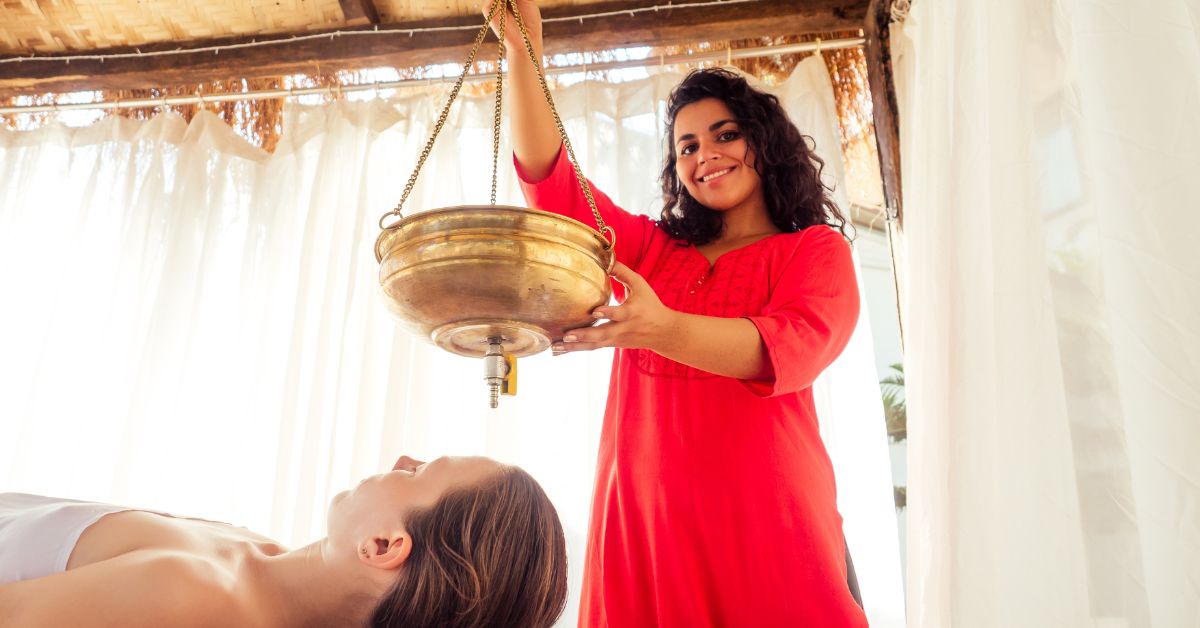
Ayurvedic Panchakarma is one of the best detox processes known to mankind. Thousands of years ago, people recovered from their ailments by undergoing Panchakarma treatments conducted by skilled professionals at wellness centers. But did you know that you can also practice several aspects of this powerful cleanse at home? Keep reading to learn more about how you can practice Panchakarma at home and prepare for the full detox treatment.
Understanding Panchakarma: The Foundation of Ayurvedic Detox
Panchakarma is a Sanskrit word meaning “five actions” or “five tasks”. It refers to the five cleansing therapies that promote the release of ama (toxins) stored in your body. Panchakarma therapies remove these toxins, which according to Ayurveda cause imbalances in your Vata, Pitta, and Kapha doshas and result in illness.
A full course of Panchakarma treatment can take place in three steps: Purvakarma, Pradhanakarma, and Paschatkarma. You should only undergo the intensive procedures under the guidance of a qualified health care professional. However, learning about the three stages can help you put together your own at-home detox plan!
At an Ayurvedic clinic that offers Panchakarma therapy, you’ll spend time in a controlled setting under the care of experienced professionals who perform these specific tasks. At home, you can still receive the benefits of Ayurvedic healing by modifying the preparation and maintenance steps so they are safe and gentle.
Preparing Your Body: Purvakarma at Home
Before beginning any detoxification process, your body needs proper preparation. Purvakarma softens and mobilizes toxins, making them easier to eliminate. Here are the essential preparatory practices you can safely implement at home.
Internal Oleation (Snehana)
Internal oleation involves consuming ghee or medicated oils to lubricate the digestive tract and loosen toxins. Start with one teaspoon of pure organic ghee on an empty stomach each morning, gradually increasing to one tablespoon over several days. This practice prepares your digestive system for deeper cleansing.
The ghee should be high quality, preferably from grass-fed cows. Warm it slightly before consuming, and wait at least 30 minutes before eating breakfast. Continue this practice for three to seven days before moving to the next phase.
External Oleation and Sweating (Swedana)
Daily self-massage with warm sesame or coconut oil nourishes the skin while drawing toxins toward the digestive tract for elimination. Spend 15 to 20 minutes massaging oil into your entire body using long strokes on limbs and circular motions on joints. Pay special attention to the scalp, ears, and feet.
Following oil massage, induce sweating through warm baths, steam inhalation, or gentle exercise. Steam helps open pores and channels, allowing toxins to move more freely. A simple home steam can be created by sitting in a bathroom with hot shower running or using a facial steamer for localized treatment.
Modified Panchakarma Procedures for Home Practice
While the five main Panchakarma therapies, Vamana (therapeutic vomiting), Virechana (purgation), Basti (enema), Nasya (nasal administration), and Raktamokshana (bloodletting)—require professional supervision, you can practice modified versions that offer significant benefits.
Gentle Virechana: Natural Purgation
A mild purgation can be achieved through dietary adjustments and herbal support. Begin by incorporating more fiber-rich foods like prunes, figs, and leafy greens into your diet. Triphala, an Ayurvedic herbal formula, provides gentle bowel cleansing when taken before bed with warm water.
Start with half a teaspoon of Triphala powder mixed in warm water and adjust the dosage based on your response. The goal is regular, comfortable elimination, not forceful purging. This practice should continue throughout your home detox period.
Simple Basti: Herbal Enema Therapy
Basti is considered the most powerful Panchakarma therapy for Vata imbalances. While complex Basti protocols require professional administration, simple water or herbal enemas can be performed at home with proper preparation. Use lukewarm water or mild herbal decoctions like dashamoola tea.
Perform enemas in the morning on an empty stomach, retaining the liquid for five to ten minutes before elimination. Limit this practice to once or twice during your detox week, and discontinue if you experience any discomfort.
Nasya: Nasal Oil Administration
Nasya involves administering medicated oils into the nasal passages to clear sinuses, improve mental clarity, and balance Prana Vata. This is one of the safest Panchakarma procedures for home practice.
How to perform Nasya at home:
- Lie down with your head tilted back slightly
- Place 2-3 drops of warm sesame oil or specialized Nasya oil in each nostril
- Sniff gently to draw the oil deeper into nasal passages
- Rest for a few minutes before sitting up
- Perform this daily, preferably in the morning after brushing teeth
Creating Your Home Panchakarma Schedule
A successful home detox requires structure and consistency. Plan for a minimum of five to seven days when you can dedicate time to self-care practices without major work or social obligations.
Daily Routine During Home Panchakarma
Morning (6:00 AM – 10:00 AM):
- Wake before sunrise and scrape your tongue
- Drink warm water with lemon to stimulate digestion
- Perform Nasya therapy
- Practice gentle yoga or walking for 20-30 minutes
- Take your morning dose of ghee (during preparation phase)
- Self-massage with warm oil followed by warm shower or steam
- Eat a light, warm breakfast like porridge or stewed fruits
Midday (10:00 AM – 2:00 PM):
- This is the optimal time for your main meal when digestive fire is strongest
- Consume freshly prepared, warm, easily digestible foods
- Rest for 15 minutes after eating
- Engage in light, non-strenuous activities
Evening (2:00 PM – 10:00 PM):
- Take a light dinner before sunset
- Drink ginger or CCF tea (cumin, coriander, fennel)
- Practice meditation or gentle breathing exercises
- Take Triphala with warm water before bed
- Sleep by 10:00 PM for optimal rest and detoxification
Dietary Guidelines During Home Detoxification
Food plays a crucial role in Panchakarma success. During your home detox, follow a simplified Ayurvedic diet that supports cleansing while maintaining nutrition and energy.
Foods to Include
The ideal Panchakarma diet consists of warm, cooked, easily digestible foods that don’t create additional toxins. Kitchari, a traditional combination of mung beans and rice with healing spices, serves as the foundation meal. This complete protein provides nutrition without taxing digestion.
Recommended foods during detox:
- Basmati rice and split mung dal (moong dal)
- Well-cooked vegetables like zucchini, carrots, and leafy greens
- Digestive spices including ginger, cumin, coriander, turmeric, and fennel
- Ghee in moderate amounts for lubrication
- Herbal teas like ginger, CCF, or tulsi
- Stewed or baked fruits like apples and pears
- Fresh vegetable soups and broths
Foods to Avoid
Certain foods create heaviness, mucus, or toxins that counteract detoxification efforts. Eliminating these temporarily allows your body to focus energy on cleansing rather than digestion.
Foods to eliminate during Panchakarma:
- All processed and packaged foods
- Refined sugar and artificial sweeteners
- Dairy products except ghee
- Red meat, pork, and seafood
- Raw vegetables and salads
- Cold or iced beverages
- Caffeine and alcohol
- Nightshade vegetables (tomatoes, peppers, eggplant, potatoes)
- Yeasted breads and fermented foods
- Leftover or reheated meals
How Kaivalya Trips Helps Guide Your Wellness Journey
Self-care at home is an excellent way to start your Ayurvedic journey, but after trying treatments yourself you may want to take it up a notch. Enter Kaivalya Trips – we connect people to licensed Panchakarma retreat centers and Ayurvedic practitioners across India and around the world. We are a wellness concierge focused on helping you experience the best customized retreat possible within your budget and timeframe.
If you’re ready to upgrade from DIY self-care to the real deal, Panchakarma treatment or if you just want some guidance creating your ultimate wellness retreat, Kaivalya Trips is here to serve as your personal wellness concierge. We review every aspect of the retreat center including the practitioner qualifications, facility standards, treatment authenticity, and traveler reviews so you know you’re getting the real Ayurvedic experience. Say goodbye to endless searching of resort websites and sorting through what feels like thousands of options. We provide you with vetted and affordable options tailored to your needs.
Supporting Practices to Enhance Your Home Detox
Panchakarma extends beyond physical treatments to encompass mental and emotional cleansing. Integrating complementary practices amplifies detoxification results and creates lasting wellness habits.
Yoga and Pranayama
Gentle yoga postures support toxin elimination by improving circulation, stimulating organs, and enhancing lymphatic drainage. Focus on twisting poses, forward bends, and inversions that massage abdominal organs and promote digestive fire.
Meditation and Mindfulness
Mental toxins, stress, negative thought patterns, and emotional baggage—require attention alongside physical cleansing. Daily meditation creates space for processing emotions and releasing mental clutter that manifests as physical symptoms.
Adequate Rest and Sleep
Detoxification is intensive work for your body. Prioritize sleep during your home Panchakarma, aiming for eight hours nightly. Create a restful environment by keeping your bedroom cool, dark, and free from electronic devices.
Post-Detox Transition: Paschatkarma at Home
The period following active detoxification is crucial for maintaining benefits and preventing immediate reaccumulation of toxins. Paschatkarma involves gradually reintroducing regular foods and activities while preserving healthy habits established during cleansing.
Dietary Reintroduction
Don’t immediately return to your pre-detox diet. Spend three to five days slowly adding foods back, starting with easiest-to-digest options. Introduce one new food category every couple of days, monitoring how your body responds.
Begin with additional cooked vegetables and fruits, then add whole grains beyond rice, followed by legumes other than mung dal. Dairy, heavier proteins, and raw foods should be the last reintroductions. Continue avoiding processed foods, refined sugars, and alcohol for at least two weeks post-detox.
Lifestyle Integration
Identify which practices from your home Panchakarma made you feel best, and commit to maintaining them. Perhaps morning oil massage, Nasya therapy, or evening Triphala becomes part of your permanent routine. These consistent practices prevent toxin reaccumulation and extend cleansing benefits.
Seasonal Considerations for Home Detoxification
Ayurveda recommends specific times of the year when detoxifying practices will be more effective. Spring and Fall are considered ideal times for Panchakarma since the weather is becoming warmer in the spring and cooler in the fall. Also, nature is cleansing and renewing itself during these seasons.
Spring cleanses target excess Kapha that builds up during the cold, stagnant winter months. Fall cleanses balance excess Pitta accumulated during the hot, dry summer months. Summer and winter can be very intense in the northern hemisphere making a powerful detox more difficult to perform. However, practicing a mild cleanse at home can be done year-round.
If possible, plan your at-home Panchakarma around these seasonal times of year. The body knows seasons well and will reward you for working with nature to deepen your cleanse.
Common Challenges and Solutions
Embarking on home detox may present obstacles. Understanding common challenges helps you navigate them successfully.
- Detox symptoms: Headaches, fatigue, skin breakouts, or digestive changes often appear during the first few days as toxins mobilize. These temporary discomforts indicate the process is working. Stay hydrated, rest adequately, and reduce intensity if symptoms become severe.
- Hunger and cravings: Simplified diets may trigger cravings for familiar foods. Remember that cravings often represent habitual patterns rather than true hunger. Drink ginger tea, practice breathing exercises, or distract yourself with gentle activities when cravings arise.
- Time constraints: Modern life demands make dedicating a full week challenging. Start with a modified three-day cleanse or implement individual practices like morning oil massage and Nasya into regular routines. Partial practice offers benefits, and shorter cleanses can be repeated quarterly.
- Lack of support: Family members may not understand your detox commitment. Communicate your needs clearly, prepare separate meals if necessary, and connect with online communities of others practicing Ayurveda for encouragement and accountability.
Building Long-Term Wellness Beyond Detox
Look at cleansing at home as your gateway to Ayurvedic living instead of just a quick fix. One of the benefits you gain from opening your eyes to detoxification is knowing what contributes to harmony or discord in your body and mind.
Learn as much as you can about how Ayurveda works. Read books, take classes and speak with trained experts to find out how your particular body type is affected by the three doshas at different times in your life, under stress, and during changes in the seasons. Armed with this knowledge, you can be ready for life’s curve balls before they leave you feeling depleted.
Once or twice a year, give yourself the gift of time to detox at home. Schedule mini-cleanses from the major cleanse to keep balanced and avoid building up a year’s worth of toxins.
FAQ
Can I continue working during home Panchakarma?
While possible, it's not ideal. Detoxification requires significant energy and works best with reduced stress and activity. If taking time off isn't feasible, consider a weekend cleanse or implement practices gradually rather than all at once.
Is home Panchakarma safe for everyone?
Home Panchakarma is generally safe for healthy adults, but certain groups should avoid it or seek professional guidance first. Pregnant women, nursing mothers, children, elderly individuals, and anyone with chronic conditions or taking regular medications should consult an Ayurvedic practitioner before beginning any detox protocol.
What is the difference between home Panchakarma and professional treatment?
Professional Panchakarma includes intensive therapies like therapeutic vomiting, strong purgatives, and complex enema protocols that require medical supervision. These procedures achieve deeper cleansing but carry risks when performed incorrectly.
How do I know if my home Panchakarma is working?
Positive signs include improved digestion, better sleep quality, increased energy, clearer skin, mental clarity, and reduced inflammation or pain. Your tongue coating should lighten, and elimination should become regular. Some temporary discomfort like mild headaches or fatigue in early days is normal as toxins mobilize, but severe symptoms indicate you should reduce intensity or seek guidance.
