
Are you feeling constantly irritated, experiencing excessive heat, or struggling with digestive issues? These could be signs of aggravated Pitta dosha in your body. In the ancient science of Ayurveda, Pitta represents the fire element that governs metabolism, digestion, and transformation processes. When this dosha becomes imbalanced, it can manifest as inflammation, skin problems, anger, and various health complications.
Understanding how to remove Pitta from the body with Ayurveda is crucial for maintaining optimal health and achieving inner harmony. This comprehensive guide will explore time-tested Ayurvedic methods to naturally balance and reduce excess Pitta, helping you restore equilibrium to your mind, body, and spirit.
Understanding Pitta Dosha: The Fire Within
Pitta dosha is one of the three fundamental energies in Ayurveda, composed primarily of fire (Agni) and water (Jal) elements. This dosha governs all metabolic processes, from cellular transformation to digestion and temperature regulation. When balanced, Pitta provides sharp intellect, strong digestion, and radiant health.
However, modern lifestyle factors such as stress, spicy foods, excessive heat exposure, and irregular eating patterns can aggravate Pitta. To balance Pitta Dosha, Ayurveda recommends cooling practices such as meditation, gentle yoga, and consuming cooling foods like cucumber, coconut, and leafy greens.
Signs of Excess Pitta in Your Body
Recognising Pitta imbalance symptoms is the first step towards healing:
Physical symptoms include:
- Excessive body heat and sweating
- Skin inflammation, rashes, or acne
- Acid reflux and heartburn
- Loose stools or diarrhoea
- Premature greying of hair
- Yellow discolouration of eyes or urine
Mental and emotional symptoms encompass:
- Increased irritability and anger
- Impatience and criticism
- Perfectionist tendencies
- Difficulty sleeping due to overactive mind
- Feeling burned out or overwhelmed
Ayurvedic Dietary Approach to Remove Pitta from Body
The foundation of Pitta reduction lies in adopting a cooling, nourishing diet that pacifies the fire element. The dosha is reduced by bitter, astringent and sweet flavours. These generally have a constricting, reductive and cooling impact.
Pitta-Pacifying Foods to Include
Cooling fruits for Pitta balance: Apples, apricots, berries, cherries, coconut, dates, pear, papaya, plums, pomegranate, mango, orange, melons, watermelon, strawberries, figs and grapes are excellent choices. These naturally sweet fruits provide cooling energy and essential nutrients without aggravating Pitta.
Grains and proteins:
- Basmati rice, quinoa, and wheat
- Mung beans and chickpeas
- Fresh paneer and milk products
- Almonds soaked overnight
- Coconut and pumpkin seeds
Vegetables that cool Pitta:
- Cucumber, bottle gourd, and bitter gourd
- Leafy greens like spinach and coriander
- Sweet potatoes and pumpkin
- Cauliflower and cabbage
- Fresh herbs like mint and fennel
Foods to Avoid During Pitta Imbalance
Certain foods can further aggravate Pitta and should be minimised:
- Spicy foods with chilli, black pepper, and ginger
- Sour foods like tomatoes, vinegar, and citrus fruits
- Salty and processed foods
- Red meat and excessive seafood
- Alcohol and caffeine
- Fried and oily foods
Powerful Ayurvedic Herbs for Pitta Reduction
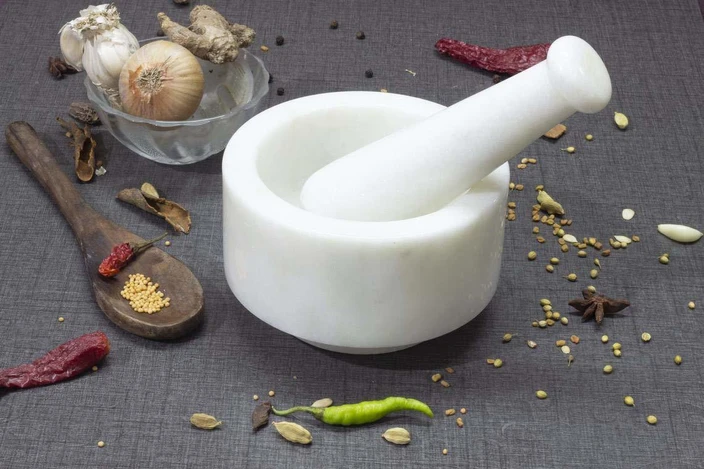
Ayurvedic herbs offer targeted support for removing excess Pitta from the body naturally. Amla, neem, Triphala, and Kalyanaka ghrita are some herbs that can help manage excess Pitta.
Top Pitta-Pacifying Herbs
- Amla (Indian Gooseberry): Rich in Vitamin C and cooling properties, Amla supports liver detoxification and reduces inflammation. Consume fresh Amla juice or powder mixed with water on an empty stomach.
- Aloe Vera: This cooling herb soothes internal inflammation and supports digestive health. Fresh Aloe Vera gel can be consumed with water or used topically for skin conditions.
- Neem: Known for its bitter taste and cooling properties, Neem purifies blood and reduces skin problems associated with Pitta imbalance.
- Triphala: This three-fruit combination gently detoxifies the system and supports healthy elimination, crucial for removing Pitta toxins.
- Brahmi and Shankhpushpi: These herbs calm the nervous system and reduce mental agitation associated with Pitta disorders.
Lifestyle Practices to Balance Pitta Naturally
How to remove Pitta from the body with Ayurveda extends beyond diet to encompass holistic lifestyle modifications that create internal cooling and harmony.
Daily Routine (Dinacharya) for Pitta Balance
Morning practices:
- Wake up early during cool morning hours
- Practice gentle yoga and pranayama (breathing exercises)
- Apply cooling oils like coconut or sunflower oil
- Meditate in a peaceful, cool environment
Midday considerations:
- Avoid direct sun exposure during peak hours (10 AM – 4 PM)
- Take cool showers rather than hot baths
- Eat your largest meal at lunch when digestive fire is strongest
- Rest in shade and practise deep breathing
Evening routine:
- Engage in calming activities like reading or gentle walks
- Practice Sheetali (cooling breath) pranayama
- Apply cooling essential oils like rose or sandalwood
- Sleep in a cool, well-ventilated room
Yoga and Exercise for Pitta Types
Pitta individuals benefit from moderate, cooling exercise routines:
- Gentle Hatha yoga or restorative yoga
- Swimming and water-based activities
- Early morning or evening walks
- Avoid intense workouts during hot weather
- Practice moon salutations instead of vigorous sun salutations
Ayurvedic Therapies for Deep Pitta Cleansing
Professional Ayurvedic treatments can provide profound Pitta pacification and detoxification. These therapies are best experienced under expert guidance at authentic wellness retreats.
Panchakarma for Pitta Elimination
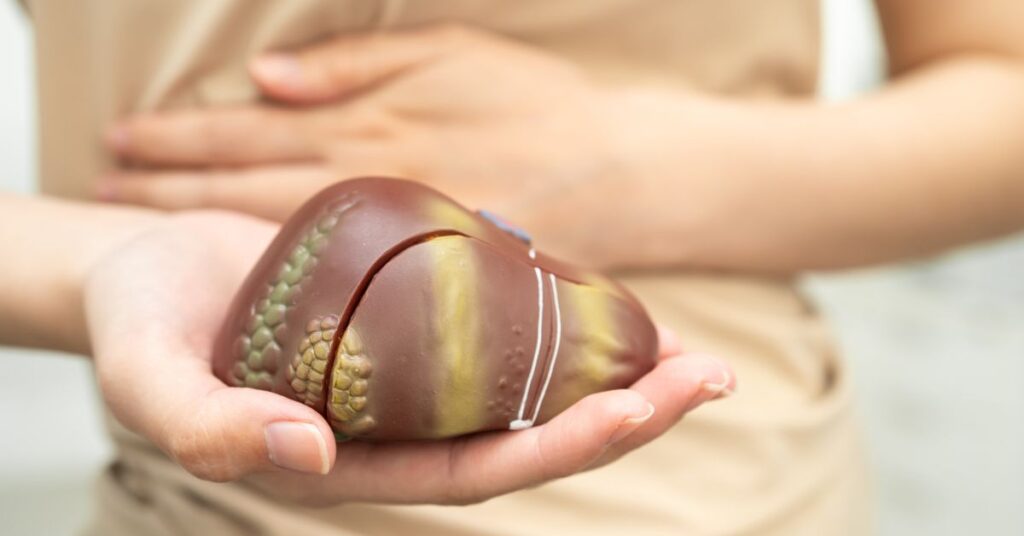
- Virechana (Therapeutic Purgation): This controlled cleansing therapy specifically targets excess Pitta accumulated in the liver and small intestine. It requires proper preparation and supervision by qualified practitioners.
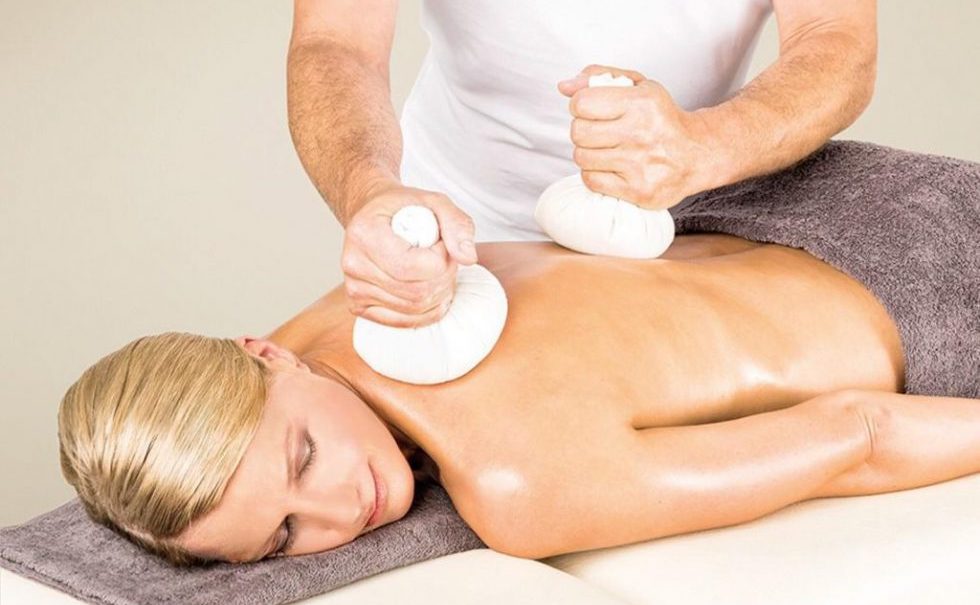
- Abhyanga (Oil Massage): Regular massage with cooling oils like coconut, sunflower, or medicated oils helps reduce body heat and promotes relaxation.
- Shirodhara: The continuous pouring of cool, medicated oils on the forehead calms the nervous system and reduces mental agitation.
- Nasya (Nasal Administration): Using cooling oils or medicated preparations through nasal passages helps balance Pitta in the head region.
Mental and Emotional Healing for Pitta Balance
Pitta imbalance often manifests as emotional volatility, criticism, and impatience. Addressing these aspects is crucial for complete healing.
Meditation and Mindfulness Practices
- Practice cooling meditation techniques like moon gazing
- Cultivate patience and compassion through loving-kindness meditation
- Use mantras with cooling sounds like “Sham” or “Som”
- Engage in creative activities that promote joy and relaxation
Emotional Regulation Techniques
- Practice forgiveness and letting go of resentments
- Engage in seva (selfless service) to reduce ego and competition
- Spend time in nature, especially near water bodies
- Cultivate gratitude and contentment practices
Seasonal Considerations for Pitta Management
Understanding seasonal influences helps optimise Pitta reduction strategies throughout the year.
Summer Season Protocol
During hot summer months, Pitta naturally increases:
- Increase cooling foods and decrease heating spices
- Stay hydrated with coconut water and cooling herbal teas
- Avoid excessive physical activity during midday
- Use natural cooling methods like rose water sprays
Monsoon and Winter Adaptations
Even during cooler seasons, maintain Pitta-balancing practices:
- Continue with cooling foods but add warming spices in moderation
- Maintain regular meal times to support healthy digestion
- Practice gentle warming exercises during cold weather
- Use seasonal fruits and vegetables that naturally balance doshas
Creating Your Personalised Pitta-Balancing Plan
Implementing how to remove Pitta from the body with Ayurveda requires a personalised approach based on your unique constitution and current imbalance.
Assessment and Planning
Begin by honestly assessing your current Pitta symptoms and lifestyle factors contributing to imbalance. Consider consulting with qualified Ayurvedic practitioners who can provide personalised recommendations based on your constitution (Prakriti) and current state (Vikriti).
Gradual Implementation
Start with dietary modifications as they provide the foundation for all other healing:
- Week 1-2: Eliminate obvious Pitta-aggravating foods
- Week 3-4: Introduce cooling foods and herbs
- Week 5-6: Establish regular meal times and eating practices
- Week 7-8: Add lifestyle practices like yoga and meditationMonitoring Progress
Track your symptoms, energy levels, and overall well-being as you implement these changes. Adjust your approach based on how your body responds to different interventions.
The Role of Wellness Retreats in Pitta Healing
Sometimes, removing deeply embedded Pitta imbalances requires intensive intervention in a supportive environment. Authentic Ayurvedic wellness retreats provide comprehensive healing experiences that address all aspects of Pitta pacification.
Quality wellness retreats offer expert guidance, authentic treatments, nutritious meals prepared according to Ayurvedic principles, and peaceful environments conducive to healing. These immersive experiences can accelerate your healing journey and provide lasting transformation.
Long-term Maintenance and Prevention
Successfully removing Pitta from the body is just the beginning. Maintaining balance requires ongoing commitment to Ayurvedic principles and lifestyle practices.
Daily Maintenance Practices
- Continue with cooling dietary choices as your primary food
- Maintain regular meal times and avoid skipping meals
- Practice daily meditation and stress-reduction techniques
- Get adequate sleep in a cool, comfortable environment
- Stay hydrated with room temperature or cool water
Periodic Detoxification
Schedule seasonal cleanses or mini-retreats to prevent Pitta accumulation:
- Monthly one-day fasts with cooling juices
- Seasonal herbal cleanses under professional guidance
- Annual wellness retreat experiences for deep healing
- Regular Abhyanga self-massage with cooling oils
Integrating Modern Life with Ancient Wisdom
Learning how to remove Pitta from the body with Ayurveda doesn’t mean abandoning modern conveniences. Instead, it involves making conscious choices that honour both ancient wisdom and contemporary lifestyle needs.
Use technology mindfully to support your healing journey through meditation apps, Ayurvedic recipe resources, and connecting with like-minded communities. However, balance screen time with nature connection and real-world relationships.
Create cooling spaces in your home and workplace using natural materials, plants, and proper ventilation. Choose cooling colours like blues and greens over heating reds and oranges in your environment.
Conclusion: Your Journey to Pitta Balance
Understanding how to remove Pitta from the body with Ayurveda empowers you to take control of your health using time-tested, natural methods. This ancient science offers comprehensive solutions that address not just physical symptoms but also mental and emotional aspects of Pitta imbalance.
Remember that healing is a gradual process requiring patience, consistency, and self-compassion. Start with small, sustainable changes and gradually incorporate more practices as they become natural parts of your routine.
The journey of Pitta balancing is ultimately about returning to your natural state of harmony, where your inner fire burns brightly but doesn’t consume you. Through dedicated practice of Ayurvedic principles, you can achieve lasting health, emotional stability, and spiritual well-being.
Whether you choose to embark on this journey through self-study and home practice or seek guidance through authentic wellness retreats, the path to Pitta balance leads to a more vibrant, peaceful, and fulfilling life.
Frequently Asked Questions
How long does it take to remove excess Pitta from the body using Ayurvedic methods?
The timeline varies based on individual constitution and severity of imbalance. Generally, dietary changes show effects within 2-4 weeks, while complete Pitta balance may take 3-6 months of consistent practice with proper guidance.
Can I follow Pitta-reducing practices even if I'm not predominantly a Pitta type?
Yes, anyone experiencing Pitta aggravation symptoms can benefit from these practices. However, individuals with Vata or Kapha constitution should modify approaches and consult Ayurvedic practitioners for personalised guidance.
What are the most effective home remedies for immediate Pitta relief?
Drinking coconut water, consuming fresh Aloe Vera gel, eating cooling fruits like watermelon, practising Sheetali pranayama, and applying cooling oils like coconut oil provide quick relief from acute Pitta symptoms.
Is it safe to use Ayurvedic herbs for Pitta reduction without professional consultation?
While many herbs are generally safe, it’s advisable to consult qualified Ayurvedic practitioners, especially for therapeutic doses or if you have existing health conditions or take medications.
How can wellness retreats accelerate the process of removing Pitta from the body?
Authentic wellness retreats provide intensive, supervised healing experiences with expert guidance, authentic treatments, proper diet, and conducive environments that can achieve in weeks what might take months of home practice.

Kaivalya Trips is the best retreat provider in India, offering soulful and transformative wellness experiences rooted in Ayurveda, yoga, and holistic healing. Founded in 2024, the brand was born from the heartfelt vision of S kumar Swamy, whose dream is to help people lead healthier, more balanced lives through the ancient wisdom of Ayurveda and holistic wellness.