
15 Best Spiritual Places in India
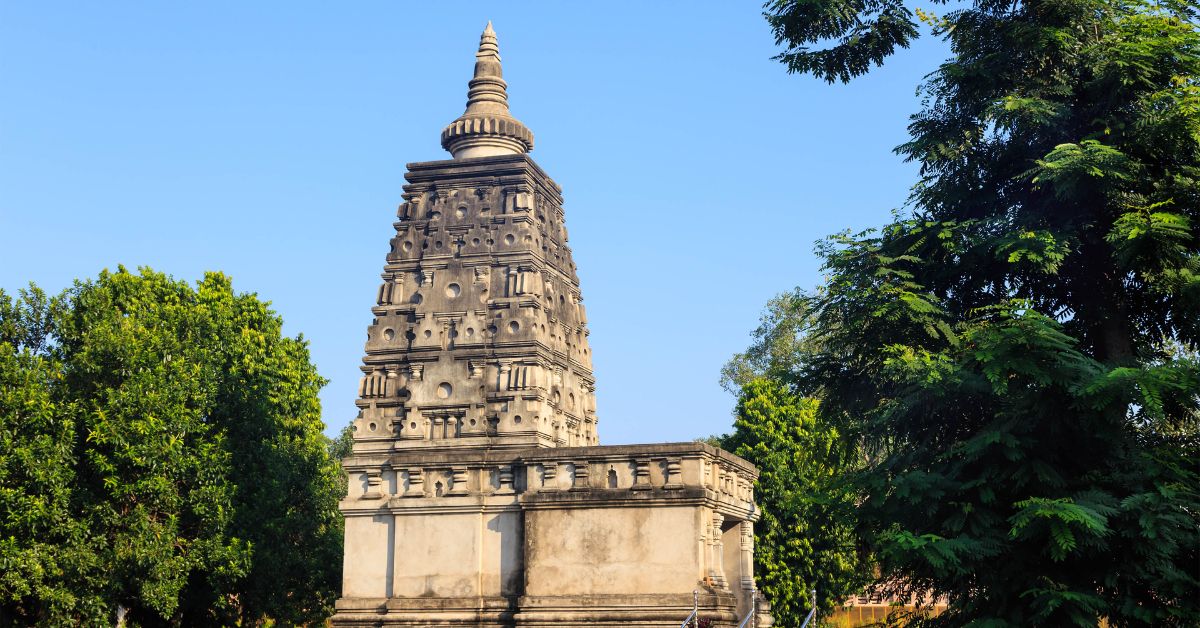
India has been host to the spiritual capital of the world for millennia. Pilgrims, yogis, and travelers alike have journeyed to India in pursuit of something more. Perhaps a deeper meaning to life, or maybe some inner peace. Or maybe even a total transformation of self!
No matter what your desired destination may be, India’s vast spiritual scape has something to offer everyone. Nestled in the foothills of the Himalayas or along India’s tropical coastlines in Kerala, there is a spiritual hideaway for each soul.
Here you will find our definitive guide to the 15 best spiritual places in India. Learn about the energy, history, and traditions that make these locations unique and why they may be the perfect spot for you to connect with your higher self.
1. Rishikesh, Uttarakhand: The Yoga Capital of the World
Perched on the banks of the Ganges river and tucked into the foothills of the Himalayas lies Rishikesh, India’s spiritual capital. The city of gods has been a yogic hub for centuries and continues to welcome pilgrims and travelers from around the world.
Flowing directly through Rishikesh, the Ganges River is so pristine and powerful that sitting along its banks will have you meditating whether you know how or not. Watching the Ganga Aarti ceremonies in Rishikesh at night along Triveni Ghat and Parmarth Niketan will bring tears to your eyes as the entire banks are lit up with swirling oil lamps and filled with chants and prayers.
With yoga schools and ashrams galore, Rishikesh is also full of adventure sports, trekking mountains and meditation caves where sages once meditated for years on end. The infamous Beatles Ashram still stands today abandoned but maintained for visitors to see. Book a yoga teacher training course, take a silent meditation course or continue your spiritual travels exploring the ashrams. No matter what you choose to do in Rishikesh you will be changed forever.
2. Dharamshala, Himachal Pradesh: The Home of Tibetan Buddhism
Perched in the Dhauladhar mountain range, Dharamshala has become synonymous with Tibetan Buddhism since the Dalai Lama established his residence here in 1960. The town is divided into Lower Dharamshala and McLeod Ganj (Upper Dharamshala), with the latter serving as the spiritual and cultural heart of the Tibetan community in exile.
Walking through McLeod Ganj feels like stepping into a different world. Prayer flags flutter in the mountain breeze, monks in burgundy robes debate philosophy in courtyards, and the scent of incense mingles with fresh mountain air. The Tsuglagkhang Complex, home to the Dalai Lama’s temple, draws thousands of practitioners and visitors seeking teachings and blessings.
Dharamshala offers numerous meditation centers, Vipassana courses, and opportunities to study Tibetan Buddhism directly from experienced teachers. The serene environment, combined with the genuine warmth of the Tibetan community, creates an ideal setting for deep spiritual practice. Nearby Triund trek provides breathtaking views and solitude for those seeking nature-based contemplation.
3. Varanasi, Uttar Pradesh: The Eternal City
Varanasi, also known as Kashi or Benares, is considered the oldest continuously inhabited city in the world and the most sacred city in Hinduism. Situated on the banks of the Ganges, this ancient city embodies the eternal cycle of life, death, and rebirth.
The 88 ghats (riverside steps) that line the Ganges in Varanasi witness daily rituals that have remained unchanged for millennia. The pre-dawn boat ride along the river reveals a living spiritual tradition—pilgrims bathing in holy waters, priests performing elaborate ceremonies, and cremation fires burning at Manikarnika Ghat, reminding visitors of life’s impermanence.
Beyond the ghats, Varanasi’s narrow lanes hide countless temples, including the famous Kashi Vishwanath Temple. The city also serves as a major center for classical music, Sanskrit learning, and philosophical discourse. Witnessing the Ganga Aarti at Dashashwamedh Ghat, with its synchronized movements, fire offerings, and devotional songs, creates an unforgettable spiritual experience.
4. Bodh Gaya, Bihar: Where Buddha Attained Enlightenment
Bodh Gaya holds immense significance for Buddhists worldwide as the location where Prince Siddhartha Gautama attained enlightenment under the Bodhi tree over 2,500 years ago. The Mahabodhi Temple Complex, a UNESCO World Heritage Site, marks this sacred spot and attracts pilgrims and meditation practitioners throughout the year.
The current Bodhi tree is believed to be a direct descendant of the original tree under which Buddha meditated. Sitting beneath its expansive branches, surrounded by meditating monks and devotees from different countries, offers a profound connection to Buddhist lineage and practice.
Bodh Gaya hosts temples built by Buddhist communities from Thailand, Japan, Tibet, Bhutan, and other nations, each reflecting unique architectural styles and traditions. The town becomes especially vibrant during winter months when the Dalai Lama and other high lamas conduct teachings, drawing thousands of practitioners for intensive study and meditation retreats.
5. Goa: Beaches Meet Spirituality
Goa is popular for beaches and partying, but there has been a recent growth in the spiritual tourism industry. It has become home to many yoga retreats, ayurveda spas, meditation classes, and ashrams. The relaxed lifestyle there caters perfectly to individuals looking to go deeper with their practice.
Goa is home to many ashrams and retreat centers spread throughout North Goa as well as South Goa. Practitioners can enjoy everything from spiritual traditions to holistic healing and wellness. Whether you’re looking to practice yoga on the beach at sunrise or wanting to take a silent meditation retreat in the jungle, there is something for everyone. Goa is also unique because of the blend between eastern and western culture.
There are many Hindu temples and churches as well as ashrams. Goa has become a starting point for many visitors to India who are looking to further their practice. It’s one of the most popular places for foreigners to live in India because of its temperate weather, international scene, and access to many retreats.
6. Kerala: God’s Own Country for Spiritual Wellness
Kerala’s backwaters, lush greenery, and Ayurvedic heritage create an unmatched environment for spiritual and physical rejuvenation. This southern state has perfected the integration of spirituality, wellness, and natural beauty into transformative experiences.
Authentic Ayurvedic centers throughout Kerala offer traditional Panchakarma treatments, yoga programs, and meditation courses in serene settings surrounded by coconut groves and waterways. The state’s temples, such as the Guruvayur Temple and Sabarimala, maintain ancient spiritual traditions, while ashrams like Amritapuri (Amma’s Ashram) welcome seekers for darshan, meditation, and seva (selfless service).
Kerala’s spiritual landscape extends beyond Hinduism—the state has significant Christian and Muslim populations, and spiritual centers representing various traditions. The peaceful coexistence of different faiths adds depth to Kerala’s spiritual atmosphere, making it welcoming for seekers of all backgrounds.
7. Amritsar, Punjab: The Golden Temple’s Divine Light
Harmandir Sahib or Golden Temple is Sikhism’s holiest shrine and one of India’s most spiritually uplifting places to visit. Lit up at night, you’ll see why millions come to visit the Golden Temple as its stunning gold exterior shines on the calm waters of the sarovar (sacred pool).
Experience the open-heartedness of Sikhism at the Golden Temple. Unlike many places of worship, everyone is welcome at the Golden Temple regardless of religion, caste, or social status. Sikhism embraces all and this is evident at the temple where over 100,000 people eat langar (free meal) each day.
Guru Granth Sahib (Sikh holy scripture) is read continuously throughout the temple complex, filling the air with hymns and divine music. Strolling around the marble walkway that encircles the sarovar, listening to kirtan (spiritual chanting), and eating with pilgrims offering seva (selfless service) at langar is sure to offer you a glimpse into the heart of Sikhism and the transformative nature of selfless service.
8. Haridwar, Uttarakhand: Gateway to the Gods
Located where the Ganges emerges from the Himalayas onto the plains, Haridwar is considered one of the seven holiest places in Hinduism. The city’s name literally means “Gateway to God,” and it serves as the starting point for the sacred Char Dham pilgrimage.
The Har Ki Pauri ghat witnesses one of India’s most magnificent spiritual spectacles every evening. Thousands gather for the Ganga Aarti, where priests perform synchronized rituals with massive fire lamps while devotees float diyas (oil lamps) on the river. The energy during Kumbh Mela, when millions of pilgrims converge here, is absolutely overwhelming.
Haridwar offers numerous ashrams and yoga centers where visitors can study Hindu philosophy, practice yoga, and participate in Vedic rituals. The nearby Rajaji National Park provides opportunities for nature-based spirituality, combining wildlife experiences with Himalayan energy.
9. Auroville, Tamil Nadu: The City of Human Unity
Auroville represents a unique spiritual experiment—an intentional community founded in 1968 based on the teachings of Sri Aurobindo and The Mother. This “City of Dawn” aims to realize human unity beyond nationality, religion, and politics.
The Matrimandir, a golden spherical structure at Auroville’s center, serves as a place for silent concentration and meditation. The community emphasizes integral yoga, conscious living, and sustainable practices. Visitors can participate in workshops, meditation sessions, and community activities that explore various aspects of human potential and spiritual evolution.
Auroville’s international community brings together seekers, artists, educators, and practitioners from over 50 countries. The township demonstrates how spiritual principles can be applied to daily life, governance, education, and environmental stewardship, making it an inspiring model for conscious community living.
10. Pushkar, Rajasthan: The Sacred Lake Town
Pushkar centers around its sacred lake, surrounded by 52 ghats where pilgrims perform ritual baths. According to Hindu mythology, the lake appeared where lotus petals dropped from Brahma’s hand, making it one of the few places in India with a temple dedicated to Brahma, the creator god.
Despite attracting tourists for its annual camel fair, Pushkar maintains a distinctly spiritual atmosphere. The town observes strict vegetarianism and alcohol prohibition, and the sound of temple bells and devotional chants fills the air throughout the day. Over 400 blue-painted temples dot the town, creating a unique skyline against the Aravalli Hills.
Pushkar attracts spiritual seekers for yoga courses, meditation retreats, and Ayurvedic treatments. The town’s desert setting, combined with its sacred lake and temples, offers a different flavor of Indian spirituality—vibrant, colorful, and infused with Rajasthani culture.
11. Tiruvannamalai, Tamil Nadu: The Mountain of Light
Dominated by the sacred Arunachala mountain, Tiruvannamalai holds deep significance in Hindu spirituality and Advaita Vedanta philosophy. The mountain itself is considered a manifestation of Lord Shiva, and the practice of circumambulating it (Girivalam) is believed to burn away karmic impressions.
The Ramana Maharshi Ashram, located at the base of Arunachala, draws seekers interested in self-inquiry and non-dual teachings. Sri Ramana Maharshi, one of India’s most revered modern sages, spent decades in silent meditation here, and his presence still permeates the ashram. The simple practice of asking “Who am I?” that he taught continues to transform lives.
The massive Arunachaleswara Temple, covering 25 acres with towering gopurams (temple towers), represents South Indian temple architecture at its finest. During the annual Karthigai Deepam festival, a huge lamp is lit atop Arunachala mountain, visible for miles and symbolizing the light of consciousness.
12. Dehradun, Uttarakhand: The Valley of Wellness
Dehradun, the capital of Uttarakhand, has evolved into a significant wellness and spiritual destination while maintaining its charm as a peaceful valley town. Its pleasant climate, proximity to Himalayan energy, and accessibility make it an ideal base for spiritual exploration.
The city and its surroundings host numerous ashrams, yoga institutes, and Ayurvedic centers. The Forest Research Institute’s sprawling campus offers meditative walks among ancient trees, while nearby Robber’s Cave and Malsi Deer Park provide nature-based contemplation opportunities. Dehradun also serves as a gateway to other spiritual destinations like Rishikesh, Haridwar, and the Char Dham pilgrimage sites.
Several reputed wellness centers in and around Dehradun offer comprehensive programs combining yoga, meditation, Ayurvedic treatments, and spiritual counseling. The valley’s serene atmosphere supports deep healing work, making it popular among those seeking extended spiritual retreats away from more touristy locations.
13. Madurai, Tamil Nadu: The Temple City
Madurai’s spiritual heart beats within the Meenakshi Amman Temple, a sprawling complex of colorful gopurams covered with thousands of carved deities. The temple’s living tradition—with continuous pujas (worship ceremonies), music, and rituals—offers an immersive experience of South Indian temple culture.
The temple’s architectural and spiritual sophistication represents centuries of Dravidian culture and devotion. Witnessing the evening ceremony when Lord Sundareswarar is carried to Goddess Meenakshi’s chamber symbolizes the divine union and creates a powerful devotional atmosphere.
Beyond the main temple, Madurai offers numerous smaller shrines, traditional music and dance performances, and opportunities to study Tamil spirituality and culture. The city’s energy is intense and devotional, ideal for those drawn to bhakti (devotional) paths of spirituality.
14. Kanyakumari, Tamil Nadu: Where Three Seas Meet
At India’s southernmost tip, Kanyakumari holds special significance as the convergence point of the Arabian Sea, Bay of Bengal, and Indian Ocean. This geographical uniqueness creates a powerful natural energy that spiritual practitioners have recognized for centuries.
The Vivekananda Rock Memorial, built on a small island where Swami Vivekananda meditated in 1892, serves as a meditation center and monument to his vision of spiritual India. The sunrise and sunset views from Kanyakumari, where you can watch the sun rise from and set into the ocean, provide natural moments of meditation and reflection.
The town hosts various temples, including the Kumari Amman Temple dedicated to the virgin goddess Kanyakumari. The spiritual atmosphere combines with stunning natural beauty—multicolored sands, dramatic coastline, and the meeting of seas—creating a unique environment for contemplation and renewal.
15. Mount Abu, Rajasthan: The Marble Mountain of Peace
Mount Abu is the only hill station in Rajasthan. It’s cooler than the desert areas and home to some of India’s finest temples. Dilwara Jain Temples in Mount Abu are built of white marble and feature mind-boggling intricacies in stone carving.
Thousands flock to the Brahma Kumaris World Spiritual University ashram in Mount Abu for Raja Yoga meditation and spiritual learning. There’s Peace Park and multiple meditation centers.
Mount Abu also boasts scenic spots like Nakki Lake backed by hills, scenic drives to the summit of Guru Shikhar and many Sunset Points. And it’s not nearly as touristy as other towns in Rajasthan which makes it ideal for meditation, study and practice.
Essential Considerations for Spiritual Travel in India
When planning a spiritual journey through India, several practical considerations can enhance your experience and deepen your practice:
Choosing the Right Destination
- Climate and season: Himalayan destinations like Dharamshala and Rishikesh are ideal from March to June and September to November, while Kerala and Goa offer comfortable conditions from October to March
- Practice preferences: Those drawn to Buddhist meditation might prefer Dharamshala or Bodh Gaya, while yoga enthusiasts naturally gravitate toward Rishikesh
- Intensity level: Consider whether you want intensive silent retreats or more exploratory spiritual tourism
- Duration: Some practices require minimum commitments—Vipassana courses typically run for 10 days, while shorter experiences are available at most locations
- Accessibility: Places like Goa and Kerala offer easier access and more comfortable facilities for first-time visitors to India
How Kaivalya Trips Helps Guide Your Spiritual Journey
Planning your spiritual journey to India can be daunting. With so many choices, logistics to coordinate and curated experiences to discover, it helps to have a knowledgeable partner by your side. Kaivalya Trips is here to help connect you with verified retreat centers, spiritual guides and sources for wellness and spirituality trips in India.
Kaivalya Trips doesn’t own a physical ashram or retreat center of their own. Instead they work with a wide network of already established ashrams, yoga schools, Ayurveda and Spiritual retreat centers. They vet each center rigorously to ensure that they meet their standards, allowing them to offer you the best experiences when planning your spirituality trip in India.
Interested in doing Vipassana meditation at your own pace in Dharamshala or kicking back with some Ayurvedic treatments in Kerala? Maybe you’re looking to take a yoga teacher training course in Rishikesh or go on an around India spiritual tour.
Kaivalya Trips will work with you to craft your ideal trip that meets your practice needs, budget and schedule. They can take care of all the logistics from reserving your spot at a retreat center to transportation to and from your spiritual destinations. Leave all the details up to the experts so you can sit back and relax (when you’re not exploring).
FAQ
Do I need to be religious to visit these spiritual places?
No, these destinations welcome seekers of all backgrounds. Many visitors are non-religious individuals interested in meditation, yoga, wellness, or cultural exploration. The focus is on personal growth and inner peace rather than religious conversion.
How much does a spiritual retreat in India typically cost?
Costs vary widely. Simple ashram accommodations can start from ₹500-1000 per day including basic meals, while luxury wellness resorts may charge ₹10,000-30,000 or more daily. Many traditional ashrams operate on donation basis, making spiritual experiences accessible to all budgets.
Is it safe to travel alone to these spiritual destinations?
Yes, most spiritual destinations in India are generally safe, especially within ashram and retreat center premises. However, practice normal travel precautions: stay aware of surroundings, avoid isolated areas at night, keep valuables secure, and choose reputable accommodations. Women traveling solo should research specific safety considerations for each destination.
Can beginners participate in yoga and meditation programs?
Absolutely. Most centers offer programs specifically designed for beginners. Teachers understand that everyone starts somewhere and provide appropriate guidance. Some intensive courses like Vipassana have specific requirements, but introductory programs welcome complete novices to meditation and yoga practice.
