
How Many Asanas Are There in Yoga?
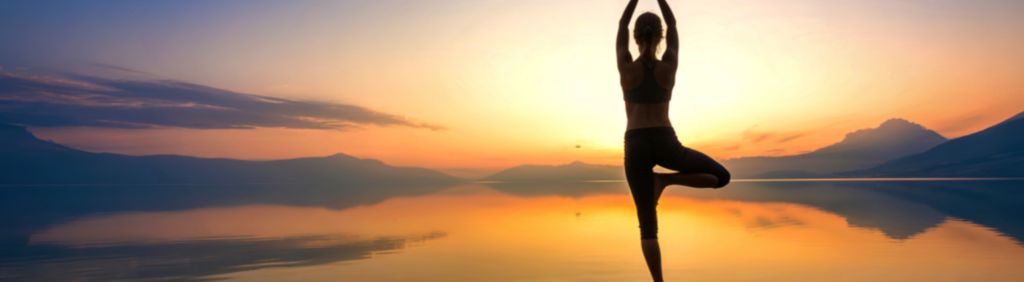
Yoga has come a long way from its ancient spiritual roots to become a worldwide phenomenon for wellness and health. If you are new to the world of Yoga or you are a seasoned Yogi, a question that will cross your mind is, how many asanas are there in yoga?
Surprisingly, the answer is more intriguing and complicated than you might think. Let us take a look at the wonderful world of Yoga asanas, their history, and what this means for you.
The Traditional Count: What Ancient Texts Tell Us
It is hard to imagine, but most classical yoga texts are actually very specific about the number of asanas. The Hatha Yoga Pradipika, one of the most popular texts, written in the 15th century, says that there are 84,00,000 asanas and postures, the same number as there are species on the planet. Of these, 84 are useful for people. Of these 84, only 15 are actually described.
The Gheranda Samhita, another key text, also names 84 primary asanas, but only actually describes 32 postures in detail. This number is not random. In yogic philosophy, numbers have important symbolic and spiritual significance. The number 84, for example, is a symbol of the connection between all life.
In the early days, yoga asana practice was not how we think of it in modern yoga classes. It mostly involved seated postures for meditation and pranayama (breath work). The physical postures associated with yoga were added later, as yoga teachers expanded the system to include poses that promote strength, flexibility, and wellbeing.
Modern Yoga: An Expanding Universe of Postures
Fast forward to contemporary times, and the landscape has transformed dramatically. Modern yoga has evolved to include hundreds of documented asanas, with variations and modifications adding even more possibilities. Different schools and traditions have contributed their unique interpretations and innovations.
Estimates suggest there are between 200 to 300 commonly practiced asanas in modern yoga systems. Some sources claim even higher numbers when including all variations. For instance, B.K.S. Iyengar’s seminal book “Light on Yoga” describes approximately 200 asanas in detail, making it one of the most comprehensive modern compilations.
The expansion happened gradually as yoga masters experimented with movement, observed the human body’s capabilities, and adapted practices for diverse populations. Teachers like Krishnamacharya, Iyengar, Pattabhi Jois, and Sivananda played pivotal roles in developing systematic approaches that emphasized different aspects of practice.
Categories of Asanas: Understanding the Classification
To make sense of this vast collection, yoga practitioners organize asanas into several categories based on the body’s position and the pose’s primary focus:
Standing Postures
These foundational poses build strength, stability, and awareness. They include warrior poses (Virabhadrasana I, II, III), triangle pose (Trikonasana), tree pose (Vrksasana), and mountain pose (Tadasana). Standing asanas develop leg strength, improve balance, and create a strong foundation for more advanced practices.
Seated Postures
Traditional meditation poses fall into this category, along with forward bends and hip openers. Examples include easy pose (Sukhasana), staff pose (Dandasana), bound angle pose (Baddha Konasana), and head-to-knee forward bend (Janu Sirsasana). These postures promote flexibility in the hips and spine while cultivating introspection.
Backbends
These heart-opening poses energize the body and counteract the effects of prolonged sitting. Cobra pose (Bhujangasana), upward-facing dog (Urdhva Mukha Svanasana), bow pose (Dhanurasana), and camel pose (Ustrasana) strengthen the back muscles and increase spinal flexibility.
Forward Bends
Calming and introspective, forward bends stretch the posterior chain of the body. They include standing forward bend (Uttanasana), seated forward bend (Paschimottanasana), and child’s pose (Balasana). These poses promote relaxation and help release tension in the back and hamstrings.
Twists
Spinal twists improve mobility and are believed to aid digestion and detoxification. Examples include seated spinal twist (Ardha Matsyendrasana), revolved triangle (Parivrtta Trikonasana), and supine spinal twist. Twisting postures massage internal organs and increase spinal rotation.
Inversions
Poses where the head is below the heart challenge practitioners and offer unique benefits. Headstand (Sirsasana), shoulderstand (Sarvangasana), and handstand (Adho Mukha Vrksasana) improve circulation, build upper body strength, and shift perspective—both physically and mentally.
Balancing Postures
These poses develop focus, core strength, and coordination. They include crow pose (Bakasana), eagle pose (Garudasana), half moon pose (Ardha Chandrasana), and dancer’s pose (Natarajasana). Balancing asanas cultivate mental concentration alongside physical stability.
Restorative and Reclining Poses
Essential for recovery and relaxation, these include corpse pose (Savasana), legs-up-the-wall (Viparita Karani), and various supported poses using props. They activate the parasympathetic nervous system and promote deep rest.
Different Styles, Different Approaches to Asanas
Various yoga traditions emphasize different aspects of practice:
- Hatha Yoga: The foundational style that most modern practices derive from, focusing on physical postures and breath control with a balanced, moderate pace
- Vinyasa/Flow Yoga: Links breath with movement in creative sequences, often incorporating many variations and transitions between traditional asanas
- Ashtanga Yoga: Follows a specific series of poses in the same order, with six defined series ranging from primary to advanced
- Iyengar Yoga: Emphasizes precision and alignment, using props extensively and holding poses for longer durations
- Yin Yoga: Holds passive poses for extended periods (3-5 minutes) to target deep connective tissues
- Restorative Yoga: Uses props to fully support the body in gentle poses, promoting deep relaxation
- Kundalini Yoga: Combines dynamic movements, breath practices, meditation, and mantra
Each style may include a different number of asanas and approach them with unique methodology. This diversity reflects yoga’s adaptability and its capacity to serve different temperaments and goals.
How Kaivalya Trips Supports Your Yoga Journey
Yoga has been practiced for thousands of years and there is always something new to learn about the various asanas and their use in the modern world. If you’re looking for more information on the traditional uses of asanas or the modern therapeutic uses you may become overwhelmed with information. At Kaivalya Trips we wanted to make it easy for wellness travelers to find the information they are looking for.
Kaivalya Trips is here to help you on your journey by providing resources that will connect you with certified centers and teachers that can provide information and support for your practice. We curate yoga retreats and resources from reputable centers and teachers all over the world. Kaivalya Trips can help you find authentic experiences to learn about traditional practices directly from the source or can help you find modern teachers with expertise in therapeutic practices that are in line with your learning objectives and your current level of experience.
We focus on curating wellness experiences that are specifically focused on the individual needs of the guest. We provide resources to make it easy for wellness travelers to find experiences beyond the typical yoga class or workshop. We work directly with yoga centers and retreats around the world to help you find immersive experiences where you can study asanas and their therapeutic and traditional uses in detail, practice asanas in a calm, supportive environment under the supervision of experienced and begin to use the information you learn to help you achieve your own goals.
Building Your Personal Asana Practice
Rather than worrying about mastering hundreds of poses, consider these practical approaches:
- Start with Fundamentals Begin with basic poses from each category. A well-rounded practice might include 20-30 foundational asanas that you understand thoroughly. Learn proper alignment, common modifications, and contraindications for each pose.
- Progress Mindfully Add new postures gradually as your strength, flexibility, and understanding develop. Rushing into advanced poses without adequate preparation increases injury risk and bypasses important lessons that foundational work teaches.
- Listen to Your Body Some poses will feel accessible immediately; others may take years to achieve safely. Your body’s proportions, previous injuries, and natural tendencies all influence which asanas suit you best. Respect your limits while gently challenging yourself.
- Work with Qualified Teachers Personal instruction helps you understand subtle aspects of alignment and breath that written descriptions or videos cannot fully convey. Teachers observe patterns you might miss and offer adjustments tailored to your body.
- Establish Consistency Practicing a smaller number of poses regularly yields better results than sporadically attempting many. Even 15-20 minutes daily creates positive changes in flexibility, strength, and mental clarity.
Key Benefits of a Diverse Asana Practice
Incorporating variety in your practice offers numerous advantages:
- Comprehensive Physical Development: Different pose categories target different muscle groups, ensuring balanced strength and flexibility throughout the body
- Injury Prevention: Balanced practice prevents overuse injuries that can result from repetitive movements in just one direction or position
- Mental Engagement: Learning new poses keeps the mind active and present, preventing practice from becoming mechanical or routine
- Adaptability: A broad repertoire allows you to adjust your practice based on energy levels, time constraints, or physical conditions on any given day
- Holistic Wellbeing: Various asanas affect different body systems—nervous, digestive, respiratory, circulatory—contributing to overall health
- Emotional Balance: Backbends energize, forward folds calm, twists cleanse, and inversions shift perspective, allowing you to work with different emotional states
The Role of Traditional Lineages and Modern Innovation
Yoga’s evolution demonstrates the balance between honoring tradition and embracing innovation. Traditional lineages preserve ancient wisdom and time-tested practices that have benefited practitioners for centuries. These teachings emphasize the spiritual dimensions of yoga and maintain practices in their original context.
Modern adaptations make yoga accessible to diverse populations, including those with physical limitations, injuries, or specific health conditions. Therapeutic yoga, chair yoga, prenatal yoga, and trauma-informed approaches expand who can benefit from practice. Scientific research validates traditional claims about yoga’s benefits while revealing new applications for mental health, chronic pain management, and disease prevention.
Both perspectives hold value. Respecting traditional teachings connects us to yoga’s deeper purpose, while thoughtful innovation extends its benefits to more people. The question isn’t whether there are 84 classical asanas or 300 modern variations, it’s how we can practice with integrity, awareness, and respect for this profound system.
Conclusion: Your Unique Yoga Path
So how many asanas are there? Let’s look at a few popular numbers. In one answer, there are 84 asanas or classical postures. Another number is 300. Then there are more than 500. All of these counts leave room for a few to play and hide between the lines. They don’t include every posture we see every time we take class. They also seem open to additions over time. They also leave a lot of room for interpretation, a lot of latitude for creativity and personal choice.
As a simple answer to this question of numbers, we can look at it from the perspective of history and flexibility. Yoga is old and it is new at the same time. Yoga is set and it is fluid at the same time. Yoga is traditional and it is innovative at the same time.
It is not necessary to do all of them in your personal practice. It is better to choose postures that you can do well, postures that give you challenges that you can meet with regular practice, and that you feel benefit from doing on a regular basis. It is an art as much as a science. Keep an open and curious mind, practice with dedication, and meet yourself with kindness as you explore what yoga postures are best for you.
This may mean a local teacher or series of classes, or workshops or retreats that bring a greater depth of practice to you. This is a great way to build your knowledge base and your asana practice in a way that serves you. When you learn from experts in an environment they create to support your progress you gain a much greater understanding of the poses and how to do them.
FAQ
Can I practice yoga if I'm not flexible?
Absolutely! Flexibility is a result of practice, not a prerequisite. Yoga meets you wherever you are. Using props like blocks, straps, and bolsters makes poses accessible regardless of current flexibility levels. Consistent practice gradually increases range of motion.
How long does it take to master yoga asanas?
Yoga is a lifelong practice without a final destination. You can learn basic poses in weeks, but refinement continues indefinitely. Even experienced practitioners discover new depth in familiar postures. Focus on progress rather than perfection.
Are all yoga styles equally effective?
Different styles serve different purposes. Active styles like Vinyasa build cardiovascular fitness and strength, while gentle styles like Yin or Restorative promote flexibility and stress relief. The most effective style is the one that matches your goals, temperament, and physical condition.
Do I need to practice all types of asanas?
A well-rounded practice includes variety, but you don't need every single posture. Including poses from different categories, standing, seated, backbends, forward folds, twists, and inversions ensures balanced development. Work with a teacher to create a practice appropriate for your needs.

Kaivalya Trips is the best retreat provider in India, offering soulful and transformative wellness experiences rooted in Ayurveda, yoga, and holistic healing. Founded in 2024, the brand was born from the heartfelt vision of S kumar Swamy, whose dream is to help people lead healthier, more balanced lives through the ancient wisdom of Ayurveda and holistic wellness.