
How Many Types of Yoga Are There?
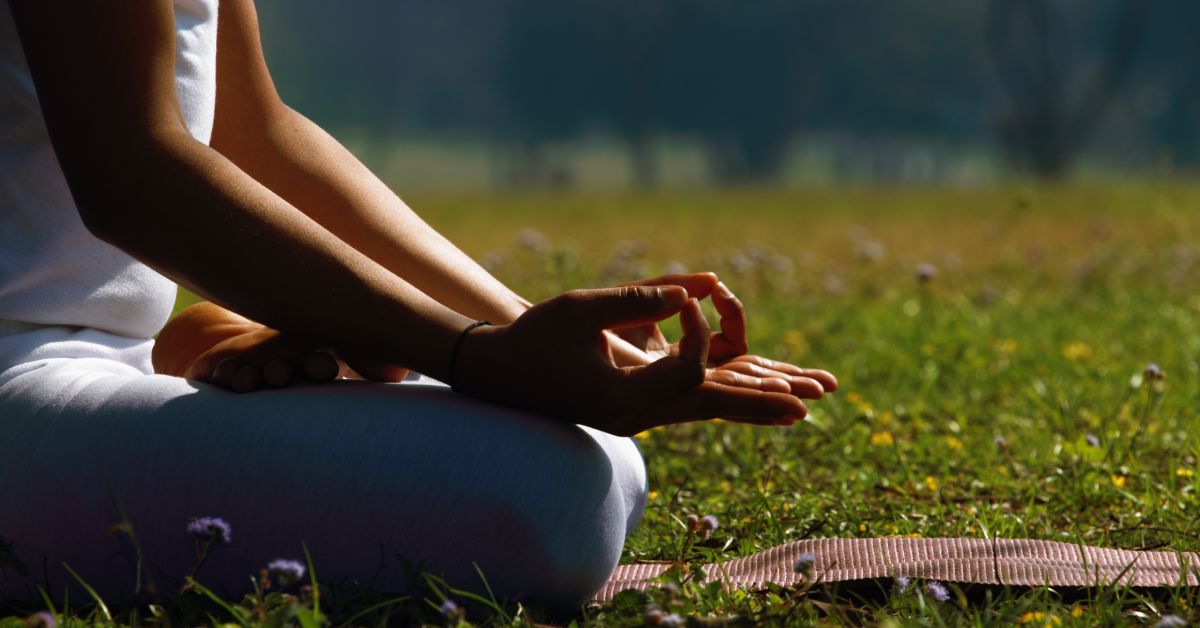
From ancient tradition to modern trends, there’s yoga out there for everyone. But how many types of yoga are there? Ancient texts list a few styles of yoga, but nowadays there are dozens of variations. With so many types of yoga out there, it can be hard to know where to start. The best place to start is learning about the differences between each style.
In this article, we’ll dive into all the major types of yoga and styles. We’ll cover what sets them apart from one another and help you learn which type of yoga is right for you. Keep reading to explore these ancient practices that have been around for thousands of years and find the perfect one for your body, mind, and spirit.
The Classical Foundation: Traditional Paths of Yoga
Before diving into modern styles, it’s essential to understand the classical roots. Ancient yogic philosophy identifies several fundamental paths:
- Hatha Yoga forms the foundation of most physical yoga practices today. The term “hatha” translates to forceful, referring to the physical techniques used to prepare the body for meditation. This umbrella category encompasses postures (asanas), breathing exercises (pranayama), and purification practices.
- Raja Yoga, known as the royal path, focuses primarily on meditation and follows the eight-limbed path outlined in Patanjali’s Yoga Sutras. This systematic approach addresses ethical conduct, physical postures, breath control, and progressive stages of meditation leading to enlightenment.
- Karma Yoga emphasizes selfless service and action without attachment to results. Practitioners dedicate their work and daily activities as a form of spiritual practice, transforming ordinary tasks into opportunities for growth.
- Bhakti Yoga represents the devotional path, channeling emotions toward the divine through practices like chanting, prayer, and ritual. This heart-centered approach appeals to those seeking connection through love and devotion.
- Jnana Yoga is the path of wisdom and knowledge, involving deep study of philosophical texts and self-inquiry to understand the true nature of reality and the self.
- Tantra Yoga works with energy cultivation and expansion, using various practices including visualization, mantra, and ritual to harness and direct spiritual energy throughout the body.
Modern Yoga Styles: Physical Practices for Contemporary Life
The 20th and 21st centuries have witnessed an explosion of yoga styles, adapting ancient wisdom for modern practitioners. Here are the most widely practiced contemporary forms:
Dynamic and Vigorous Styles
- Ashtanga Vinyasa Yoga follows a specific sequence of postures linked by breath and movement. Developed by K. Pattabhi Jois, this demanding practice builds strength, flexibility, and stamina through six progressive series. Students typically practice the same sequence repeatedly, allowing for deep mastery of each pose.
- Power Yoga emerged in the West as an athletic, fitness-oriented approach inspired by Ashtanga. This style emphasizes strength-building, cardiovascular conditioning, and flexibility without adhering to a fixed sequence. Classes are often challenging and fast-paced, appealing to those seeking an intense workout.
- Vinyasa Flow Yoga connects breath with movement in creative sequences that vary from class to class. Unlike Ashtanga’s fixed series, Vinyasa offers flexibility in sequencing while maintaining the flowing, dynamic quality. This popular style balances strength, flexibility, and mindfulness in an accessible format.
- Rocket Yoga takes Ashtanga’s traditional sequences and modifies them for accessibility while maintaining intensity. Created by Larry Schultz, this playful approach encourages arm balances, inversions, and modifications that allow practitioners to explore advanced postures safely.
Alignment-Focused Practices
- Iyengar Yoga prioritizes precise alignment and uses props extensively to help students achieve optimal positioning in each pose. Developed by B.K.S. Iyengar, this methodical approach holds poses longer than most styles, building strength, stability, and body awareness. The use of blocks, straps, bolsters, and chairs makes the practice accessible to all body types and abilities.
- Anusara Yoga combines alignment principles with a heart-centered philosophy, emphasizing celebration and looking for the good in all things. Though less common now than in its peak years, this style contributed significantly to making alignment-based yoga more accessible and joyful.
Gentle and Restorative Approaches
- Restorative Yoga uses props to support the body in passive poses held for extended periods, typically five to twenty minutes. This deeply relaxing practice activates the parasympathetic nervous system, promoting healing, stress reduction, and renewal. It’s particularly beneficial for those recovering from injury, dealing with chronic stress, or seeking deep relaxation.
- Yin Yoga targets the deep connective tissues, ligaments, and fascia through long-held, passive floor poses. While similar to Restorative in pace, Yin applies gentle stress to tissues to increase flexibility and joint mobility. The meditative quality of holding poses for three to five minutes also cultivates mental stillness and introspection.
- Gentle Yoga offers a slower-paced practice with modified postures suitable for beginners, older adults, or those with physical limitations. This inclusive approach makes yoga accessible to everyone while still providing significant benefits.
Specialized and Therapeutic Styles
- Kundalini Yoga combines postures, dynamic breathing techniques, meditation, and mantra chanting to awaken dormant energy at the base of the spine. Classes follow specific kriyas (sequences) designed to target particular aspects of consciousness and the energy body. This spiritual practice often includes white clothing, turbans, and distinctive breathing techniques.
- Bikram Yoga consists of a fixed sequence of 26 postures and two breathing exercises practiced in a room heated to approximately 105°F with 40% humidity. Created by Bikram Choudhury, this style aims to warm muscles deeply, promote flexibility, and facilitate detoxification through sweating.
- Hot Yoga encompasses various styles practiced in heated rooms, not limited to Bikram’s specific sequence. Studios may heat rooms to different temperatures and practice various styles including Vinyasa, Power, or unique sequences.
- Prenatal Yoga adapts postures and breathing techniques for pregnancy, focusing on strengthening muscles used during childbirth, reducing common pregnancy discomforts, and preparing mentally for labor. Modifications ensure safety for both mother and baby throughout all trimesters.
- Adaptive Yoga modifies traditional practices for people with disabilities, injuries, or chronic conditions. This inclusive approach proves that yoga’s benefits are available to all bodies through creative use of props, chair-based practices, and thoughtful modifications.
Integrative and Holistic Approaches
- Integral Yoga combines physical postures with breathing, deep relaxation, and meditation in a balanced practice addressing all aspects of the individual. Founded by Swami Satchidananda, this gentle approach emphasizes comfort in postures and ease of breath.
- Sivananda Yoga follows a structured format including the same twelve basic postures, sun salutations, pranayama, relaxation, and meditation in every class. This traditional approach, established by Swami Sivananda and his disciple Swami Vishnudevananda, creates a complete practice for physical and spiritual well-being.
- Jivamukti Yoga integrates vigorous Vinyasa-style physical practice with scriptural study, devotional chanting, meditation, and ethical principles. Founded by Sharon Gannon and David Life, this style emphasizes veganism, environmentalism, and social activism as extensions of yogic philosophy.
Emerging and Fusion Styles
The yoga world continues to evolve, with new styles emerging regularly:
- Aerial Yoga uses suspended hammocks to explore postures with support, allowing for creative inversions and spinal decompression
- Acro Yoga combines yoga, acrobatics, and Thai massage in partner-based practices
- SUP Yoga (Stand-Up Paddleboard Yoga) takes the practice onto water, adding balance challenges
- Yoga Nidra offers guided meditation for deep relaxation and conscious sleep
- Laughter Yoga combines playful exercises with yogic breathing to promote joy and stress relief
Key Factors to Consider When Choosing Your Yoga Style
Finding the right yoga practice depends on several personal considerations:
Your Physical Goals and Current Fitness Level
- Seeking intense physical challenge: Ashtanga, Power Yoga, Rocket Yoga
- Building strength gradually: Vinyasa, Hatha, Iyengar
- Improving flexibility: Yin, Hot Yoga, Restorative
- Recovering from injury: Gentle, Restorative, Iyengar
Your Mental and Emotional Needs
- Stress reduction: Restorative, Yin, Yoga Nidra
- Mental clarity: Raja Yoga, Kundalini
- Emotional healing: Bhakti, Restorative
- Meditation practice: Kundalini, Sivananda, Integral
Your Spiritual Interests
- Deep philosophical study: Jnana, Jivamukti
- Devotional practice: Bhakti, Kundalini
- Energy work: Kundalini, Tantra
- Secular physical practice: Power Yoga, Vinyasa
Practical Considerations
- Time availability: Some styles require longer practice sessions
- Physical limitations: Adaptive approaches accommodate all abilities
- Temperature preference: Hot yoga versus room temperature
- Class structure preference: Fixed sequences versus varied classes
How Kaivalya Trips Helps You Find Your Ideal Yoga Experience
Whether you practice Bikram, Ashtanga, Power, Kundalini, Anusara, Iyengar, or some type of free flow, chances are you enjoy practicing different styles of yoga. Deciding where to go for a yoga or wellness-focused getaway/trip can be daunting. That is why platforms like Kaivalya Trips exist!
Kaivalya Trips connects travelers to well-vetted, yoga certified teachers and retreat centers. They don’t own any yoga or wellness centers themselves. But what they do is partner with established yoga centers to help people find the best place for their practice.
If you’re looking to go hardcore with Ashtanga in Mysore, learn Yoga Nidra or Restorative yoga in the mountains, or get certified as a yoga teacher, you can find that with Kaivalya Trips. Since they work with several yoga and wellness centers throughout the world, they have plenty of options for your yoga getaway.
When you book yoga vacations on your own, you run the risk of booking with someone that isn’t a certified teacher or wasting your money on a center that isn’t ethical. Since Kaivalya Trips aren’t running a yoga center of their own, they don’t push you towards any particular place. They simply want to help you find the best place for your practice.
Benefits of Exploring Different Yoga Types
Experimenting with various yoga styles offers numerous advantages:
- Prevents Physical Plateaus: Different styles challenge your body in unique ways, promoting continued growth and preventing repetitive strain from practicing only one approach.
- Addresses Changing Needs: Your physical, mental, and spiritual needs evolve over time. What serves you during one life phase may not suit another. Flexibility in your practice allows adaptation to these changes.
- Deepens Understanding: Each style offers unique insights into yogic philosophy and practice. Exposure to different approaches enriches your overall understanding and personal practice.
- Discovers Hidden Affinities: You might surprise yourself by loving a style you never expected to enjoy, opening new dimensions of practice and growth.
- Builds Complete Practice: Combining complementary styles creates a well-rounded routine. For example, balancing vigorous Vinyasa with restorative sessions addresses both strength-building and recovery.
Conclusion
“How many types of yoga are there?” Just reading that question makes me smile because it shows how wonderfully vast yoga is. There are ancient styles of classical yoga and new styles that blend traditions like yoga fusion. Yoga can be for every age of every fitness level and spiritual path you can imagine.
Don’t let all these choices intimidate you. Instead, allow yourself to explore and try different styles to see what really works for you. If you love movement, find a flow class you can get lost in. If you want to sit quietly and meditate, there is a yoga practice for that. If you are all about alignment, or being expressive there is a yoga style for you too!
You may find your sweet spot with one style or a mixture of a few. The key is showing up on your mat regularly and being kind to yourself. The style of yoga you practice doesn’t really matter as much as practicing and being open to how practice can transform you.
If you are just getting started or you have been practicing for years and are ready to take your practice to the next level. Check out my yoga travel directory called Kaivalya Trips where you can find yoga resorts and studios around the world that offer retreats for every level of yoga practitioner.
FAQs
Which yoga type is best for weight loss?
Power Yoga, Vinyasa Flow, and Ashtanga provide the most cardiovascular intensity and calorie burning among yoga styles. However, any consistent practice combined with mindful eating supports healthy weight management through increased body awareness and stress reduction.
Can I practice multiple types of yoga?
Absolutely. Many practitioners enjoy cross-training with different styles to address various needs. Combining dynamic practices with restorative sessions creates a balanced approach that builds strength while allowing adequate recovery.
How do I know which yoga style suits my body type?
All yoga styles can be adapted for any body type through modifications and props. Iyengar and Adaptive Yoga are particularly skilled at accommodating different bodies. The best approach is trying different styles and noticing what feels sustainable and enjoyable for you.
Is hot yoga safe for everyone?
Hot yoga isn't recommended for pregnant women, people with heart conditions, or those with heat sensitivity. Always consult healthcare providers before starting heated practices, stay well-hydrated, and listen to your body's signals during class.
