

Are you constantly feeling overheated, especially during India’s scorching summer months? While reaching for the air conditioner might provide temporary relief, ancient Ayurvedic wisdom offers sustainable, natural solutions to reduce body heat from within. In a country where temperatures soar above 45°C and urban heat islands make cities unbearable, understanding how to reduce body heat with Ayurveda becomes essential for maintaining optimal health and comfort.
Body heat issues aren’t just about external temperature, they often stem from internal imbalances that modern medicine sometimes overlooks. Ayurveda, with its 5,000-year-old proven methods, addresses these root causes whilst promoting overall wellness. Whether you’re dealing with excessive sweating, hot flashes, acidity, or general discomfort from internal heat, this comprehensive guide will equip you with time-tested Ayurvedic strategies.
Understanding Body Heat Through Ayurvedic Lens
In Ayurveda, excessive body heat is typically associated with aggravated Pitta dosha, one of the three fundamental energies governing our physiology. Pitta, composed of fire and water elements, controls metabolism, digestion, and body temperature regulation. When Pitta becomes imbalanced due to hot weather, spicy foods, stress, or irregular lifestyle patterns, it manifests as excessive internal heat.
The ancient texts describe various symptoms of elevated Pitta: burning sensations, excessive thirst, irritability, skin rashes, and digestive issues. Understanding these signs helps identify when your body needs cooling interventions. Unlike conventional approaches that merely suppress symptoms, Ayurvedic methods work holistically to restore natural balance.
Modern research supports many traditional Ayurvedic cooling principles. Studies have shown that certain herbs and practices recommended in classical texts indeed have thermogenic and cooling properties that help regulate body temperature naturally.
Ayurvedic Dietary Guidelines for Cooling Body Heat
Foods That Naturally Cool Your System
The foundation of how to reduce body heat with Ayurveda lies in conscious dietary choices. Ayurveda emphasises foods with cooling properties (Sheeta Virya) that naturally lower internal temperature without compromising digestion.
Cooling Fruits and Vegetables:
- Watermelon, cucumber, and bottle gourd provide immediate hydration and cooling
- Coconut water acts as nature’s electrolyte solution whilst cooling Pitta
- Pomegranate and sweet grapes balance internal heat effectively
- Leafy greens like spinach and lettuce offer essential minerals whilst cooling
Beneficial Grains and Dairy:
- Basmati rice, particularly when aged, has superior cooling properties
- Fresh cow’s milk and ghee (in moderation) help balance excess heat
- Buttermilk with cumin and coriander provides probiotics and cooling relief
Herbs and Spices for Internal Cooling:
- Coriander seeds water (dhania pani) is exceptionally effective for reducing body heat
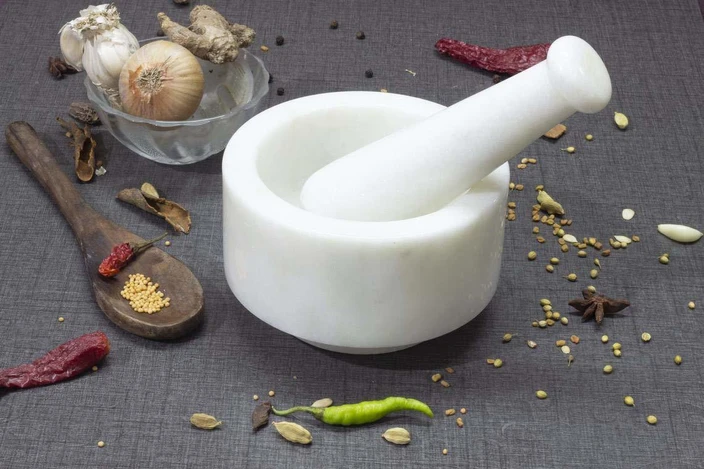
- Fennel seeds aid digestion whilst providing cooling effects
- Fresh mint and tulsi leaves offer immediate relief from internal heat
- Cumin powder mixed with buttermilk balances digestive fire
Foods to Avoid During Hot Weather
Certain foods aggravate Pitta and should be minimised when learning how to reduce body heat with Ayurveda. These include excessively spicy dishes, fermented foods, alcohol, and anything very sour or salty. Red meat, fried foods, and foods that are too hot in temperature also contribute to internal heat buildup.
Powerful Ayurvedic Herbs for Heat Reduction
Traditional Cooling Herbs
Ayurvedic pharmacology offers numerous herbs specifically for cooling body heat. Amla (Indian gooseberry) stands out as a supreme cooler, rich in Vitamin C and natural antioxidants. Regular consumption helps maintain optimal body temperature whilst boosting immunity.
Brahmi and Shankhpushpi not only cool the nervous system but also improve mental clarity, crucial during hot weather when concentration often suffers. These herbs are particularly beneficial for those experiencing heat-related irritability or mental fatigue.
Shatavari, known as the “Queen of Herbs,” provides cooling relief specifically for women experiencing hormonal heat fluctuations. Its natural phytoestrogens help regulate internal temperature during menopause or hormonal changes.
Herbal Preparations and Dosages
Traditional preparations maximise herb effectiveness. Gulkand (rose petal preserve) mixed with milk provides both immediate cooling and long-term Pitta balance. Triphala taken with warm water before bed helps eliminate heat-producing toxins (ama) from the system.
Neem juice, though bitter, effectively purifies blood and reduces heat-related skin issues. Starting with small quantities (5-10ml) mixed with honey helps acclimatise the palate whilst providing cooling benefits.
Lifestyle Practices for Natural Body Cooling
Daily Routines (Dinacharya) for Hot Weather
Ayurveda emphasises lifestyle modifications as crucial components of how to reduce body heat with Ayurveda effectively. Early morning routines should include oil massage (abhyanga) with cooling oils like coconut or sunflower, followed by lukewarm (not hot) baths.
Pranayama techniques specifically address internal heat. Sheetali (cooling breath) and Sheetkari pranayama directly cool the respiratory system and nervous system. Practising these during early morning or evening hours maximises benefits.
Meditation and yoga asanas performed during cooler parts of the day help maintain mental equilibrium whilst preventing heat-related stress. Gentle, flowing movements work better than vigorous practices during peak summer months.
Sleep and Rest Patterns
Quality sleep becomes challenging during hot weather, yet it’s essential for Pitta balance. Ayurveda recommends sleeping with the head pointing east or south, using cooling materials like cotton bedding, and ensuring adequate ventilation. Moon gazing (chandra darshan) for a few minutes before sleep naturally cools the mind and body.
Therapeutic Ayurvedic Treatments for Excessive Body Heat
Panchakarma Therapies for Heat Disorders
Traditional Panchakarma treatments offer profound cooling benefits for severe heat-related disorders. Virechana (therapeutic purgation) specifically targets excess Pitta accumulated in the digestive system, providing systemic cooling relief.
Shirodhara, where medicated oils or decoctions flow continuously over the forehead, immediately calms the nervous system whilst reducing internal heat. This treatment is particularly effective for heat-related headaches, insomnia, and mental agitation.
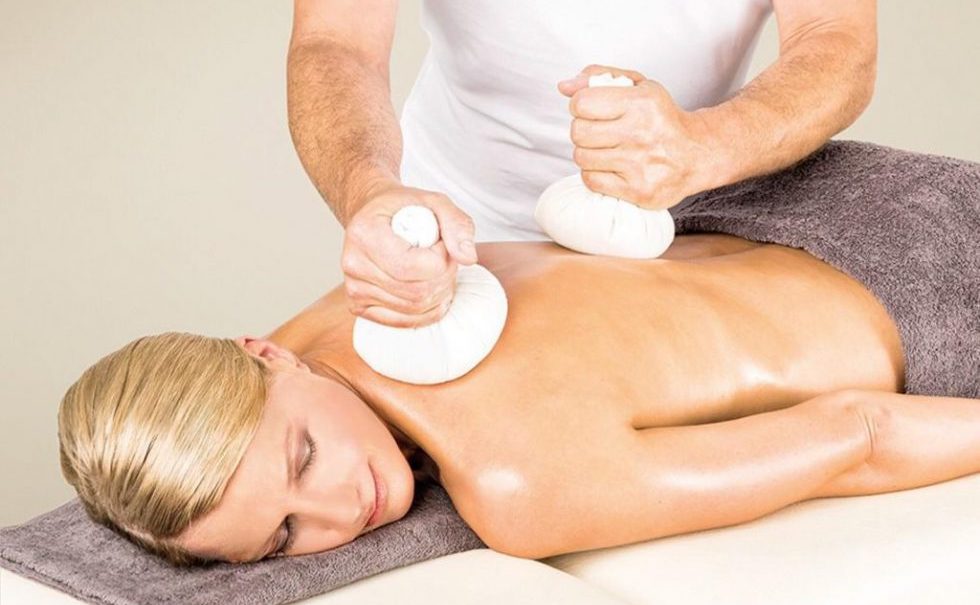
Abhyanga with cooling oils like Chandanadi oil or Bhringaraj oil provides immediate relief whilst nourishing the skin and nervous system. These specialised treatments require proper guidance from qualified Ayurvedic practitioners.
Home Remedies and DIY Treatments
Simple home treatments can be remarkably effective. Rose water sprays provide immediate surface cooling whilst balancing emotional heat. Sandalwood paste applied to pulse points offers both cooling and aromatherapeutic benefits.
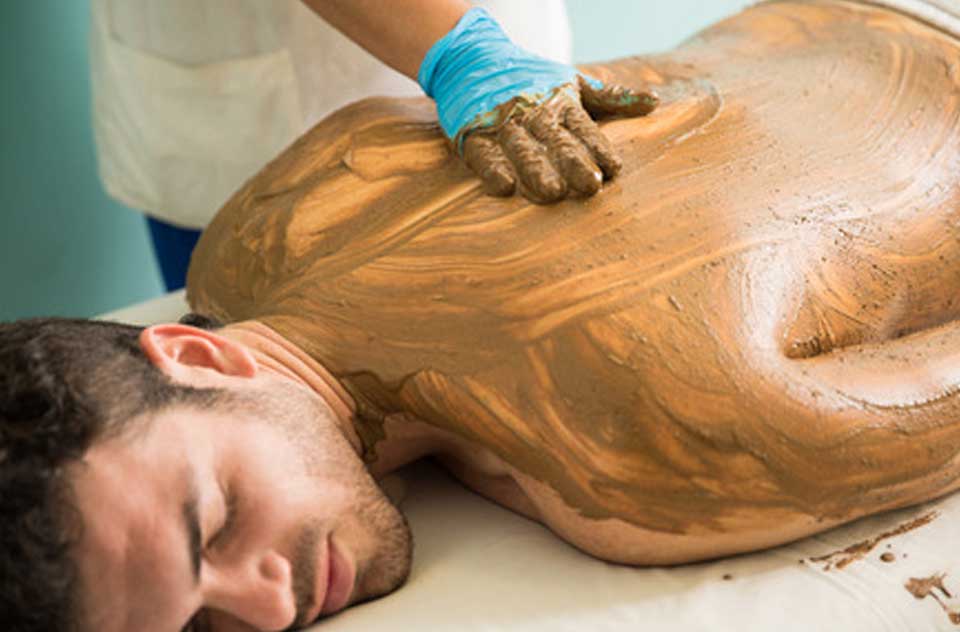
Clay or mud packs on feet and palms draw out excess heat through these natural cooling points. Traditional kajal (kohl) made from natural ingredients not only protects eyes but provides cooling relief during intense heat.
Seasonal Adjustments and Weather-Specific Approaches
Summer-Specific Protocols
During peak summer months (April-June in most of India), how to reduce body heat with Ayurveda requires intensified protocols. Increasing water intake through cooling drinks like nimbu paani with black salt, aam panna, and thandai becomes essential.
Timing modifications ensure maximum benefit, consuming main meals during cooler parts of the day, avoiding direct sun exposure between 10 AM-4 PM, and scheduling physical activities during early morning or evening hours.
Monsoon and Transition Periods
Monsoon brings different challenges as humidity affects the body’s natural cooling mechanisms. Ayurveda recommends adjusting cooling protocols, reducing extremely cold foods whilst maintaining Pitta-pacifying approaches. Herbal teas with ginger and cardamom help balance moisture whilst preventing heat accumulation.
Integration with Modern Wellness Approaches
Combining Ayurveda with Contemporary Lifestyle
Modern urban life presents unique challenges for implementing traditional cooling methods. Workplace wellness strategies include keeping cooling herbal teas at the desk, using natural cooling sprays, and practising brief breathing exercises during breaks.
Technology integration through apps tracking water intake, meditation reminders, and meal planning helps maintain Ayurvedic principles within busy schedules. Air purifiers with cooling essential oils create supportive environments for natural temperature regulation.
Scientific Validation of Traditional Methods
Contemporary research increasingly validates traditional Ayurvedic cooling approaches. Studies on coriander’s thermogenic properties, coconut water’s electrolyte balance, and meditation’s effect on body temperature regulation provide scientific backing for ancient wisdom.
Nutritional science confirms that foods recommended in Ayurveda for cooling indeed contain compounds that support natural temperature regulation, proving the sophisticated understanding of our ancestors.
Building Long-term Heat Management Strategies
Sustainable heat management requires consistent application of Ayurvedic principles rather than quick fixes. Constitutional assessment helps determine individual cooling needs—Pitta-predominant individuals require more intensive cooling protocols compared to Vata or Kapha constitutions.
Seasonal preparation involves gradually building heat tolerance through proper diet, exercise, and herbal support before peak summer months. This proactive approach prevents severe heat-related health issues whilst maintaining optimal wellness.
Community and family involvement makes implementation easier and more enjoyable. Preparing cooling drinks together, practising group pranayama, and sharing traditional recipes strengthens both family bonds and heat management practices.
Conclusion
Learning how to reduce body heat with Ayurveda opens doors to natural, sustainable wellness that works in harmony with your body’s innate wisdom. These time-tested methods not only provide immediate relief from excessive heat but also build long-term resilience against temperature-related health challenges.
The beauty of Ayurvedic cooling approaches lies in their holistic nature—addressing physical, mental, and emotional aspects of heat management simultaneously. By incorporating dietary modifications, herbal remedies, lifestyle adjustments, and therapeutic practices, you create a comprehensive cooling system that serves you throughout life.
Remember that individual responses to these methods may vary based on constitution, current health status, and environmental factors. For personalised guidance and intensive wellness experiences, consider exploring authentic Ayurvedic wellness retreats that provide expert supervision and traditional treatments in serene, natural settings.
Ready to experience the transformative power of authentic Ayurvedic wellness? Discover carefully curated wellness retreats across India that combine traditional healing wisdom with modern comfort, helping you achieve optimal balance and natural cooling in some of the country’s most peaceful destinations.

Frequently Asked Questions
How quickly can Ayurvedic methods reduce body heat?
Simple remedies like coriander water or coconut water provide immediate cooling within 15-30 minutes. Deeper constitutional changes through diet and lifestyle modifications typically show significant results within 7-14 days of consistent practice.
Are Ayurvedic cooling methods safe during pregnancy?
Most dietary cooling methods are safe, but specific herbs and treatments should be used only under qualified Ayurvedic practitioner guidance during pregnancy. Natural foods like coconut water, buttermilk, and cooling fruits are generally beneficial.
Can children follow these Ayurvedic cooling practices?
Yes, children respond excellently to natural cooling methods. Focus on dietary approaches like fresh fruits, coconut water, and gentle cooling baths. Avoid strong herbal preparations without professional consultation for children under 12 years.
How does Ayurvedic cooling differ from conventional air conditioning?
Ayurvedic methods cool from within by balancing internal heat production, whilst air conditioning only provides external temperature relief. Natural cooling builds long-term heat tolerance and supports overall health, unlike artificial cooling which can create dependency.
What's the best Ayurvedic remedy for immediate heat relief?
Fresh coconut water mixed with a pinch of rock salt provides the fastest relief. Alternatively, drinking chilled coriander seed water or applying rose water to pulse points offers immediate cooling whilst supporting internal balance.

Kaivalya Trips is the best retreat provider in India, offering soulful and transformative wellness experiences rooted in Ayurveda, yoga, and holistic healing. Founded in 2024, the brand was born from the heartfelt vision of S kumar Swamy, whose dream is to help people lead healthier, more balanced lives through the ancient wisdom of Ayurveda and holistic wellness.