
Wellness Tourism in India: Top Destinations, Treatments & Packages
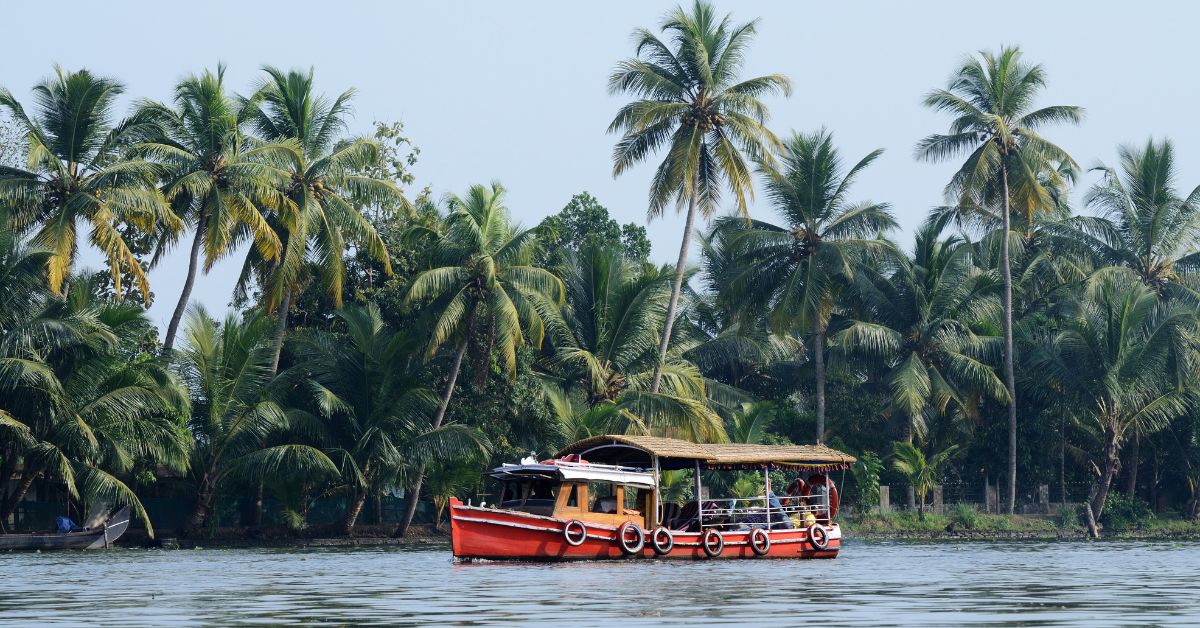
India is renowned worldwide as a destination for wellness tourism. With an abundance of holistic healing practices, spiritual traditions, yoga, and natural beauty, India caters to wellness tourists seeking rejuvenation and balance. From tranquil beach resorts in Goa to rejuvenating retreats in the Himalayas, India offers diverse wellness experiences that promote physical, mental, and spiritual well-being for visitors from all corners of the globe.
In recent years, there has been a significant surge in wellness tourism in India. As people become more conscious of the need to prevent illness rather than just treating it, many are turning to wellness travel as a way to prioritize their health. India’s rich history of Ayurveda, yoga, meditation, and herbal treatments makes it an ideal destination for those seeking a holistic approach to wellness and self-care.
Understanding Wellness Tourism in India
To begin with wellness travel as the name suggests involves traveling with a motive to keep yourself healthy. Wellness Tourism isn’t about fixing health problems. It’s about prevention. It’s about recharge and reset. It’s about transformation. While medical tourism caters to treatment for particular ailments, wellness tourism in India is unique because it offers you the opportunity to immerse yourself in practices that have been curated over thousands of years.
We are talking about Ayurveda, Yoga, meditation, naturopathy and more. Not to mention, India’s vast topography means there’s a little something for everyone. Picture yourself relaxing in Kerala’s soothing backwaters, unwinding in the spiritual town of Rishikesh by the banks of the Ganges or feeling the fresh mountain air in Dharamshala. Add to that India’s natural healers—weather, environment, herbs, trees and centuries-old architecture that provide the perfect backdrop for your healing journey.
Perhaps the biggest USP of Indian wellness holidays is the focus on treating not just the body but the mind and soul as well. The cause of your symptoms are analyzed and is based on a variety of factors which include your prakriti or body constitution, lifestyle, diet as well as your mental and emotional health. We live in a world now where people are realizing that being healthy is not just about having a strong immune system and a fit body, it’s about ensuring that your mind and soul are happy too.
Top Wellness Destinations in India
Kerala: The Ayurvedic Heartland
Kerala stands unrivaled as India’s premier Ayurvedic destination. The state’s tropical climate, abundant medicinal plants, and centuries-old healing lineages make it ideal for authentic Panchakarma detoxification programs. Traditional Ayurvedic resorts here offer treatments ranging from rejuvenation therapies (Rasayana) to specialized protocols for chronic conditions. The serene backwaters provide a naturally therapeutic environment where the rhythm of life itself promotes healing.
Visitors to Kerala can experience traditional Ayurvedic treatments administered by experienced vaidyas (Ayurvedic physicians) who often represent generations of healing knowledge. The state’s wellness centers range from heritage properties that have preserved ancient practices to contemporary retreats that blend traditional wisdom with modern comforts.
Rishikesh: The Yoga Capital
Nestled in the Himalayan foothills where the sacred Ganges emerges from the mountains, Rishikesh has been a spiritual sanctuary for millennia. This small city offers an unparalleled concentration of yoga ashrams, meditation centers, and wellness retreats. The spiritual atmosphere, combined with the natural beauty of the surrounding mountains and the river’s purifying energy, creates an environment conducive to inner transformation.
Rishikesh caters to all levels of practitioners, from beginners seeking introductory yoga courses to advanced students pursuing intensive meditation practices. Many retreats here incorporate traditional yogic practices like pranayama (breath control), meditation, sattvic diet, and philosophical studies, offering a comprehensive immersion into yogic lifestyle.
Goa: Beach Wellness Escapes
Goa offers a unique blend of beach relaxation and wellness practices. The coastal state has evolved beyond its party reputation to become a significant wellness destination, with numerous retreats offering yoga, Ayurveda, detox programs, and holistic healing modalities. The sound of ocean waves, vitamin D from tropical sunshine, and the laid-back atmosphere all contribute to stress reduction and mental rejuvenation.
Wellness seekers in Goa can find everything from luxury Ayurvedic resorts to bohemian yoga shacks, international wellness retreats to traditional healing centers. The destination particularly appeals to those seeking a balanced approach—combining therapeutic treatments with leisure activities and cultural exploration.
Dharamshala: Himalayan Healing
Located in Himachal Pradesh, Dharamshala and the nearby town of McLeod Ganj offer a distinctive wellness experience influenced by Tibetan Buddhist traditions. The region is renowned for Tibetan medicine, meditation practices, and the peaceful energy that permeates this mountain sanctuary. The crisp Himalayan air, pine forests, and stunning mountain vistas provide natural therapy for respiratory health and mental clarity.
Wellness programs here often incorporate Tibetan healing modalities, Buddhist meditation techniques, sound healing with singing bowls, and nature-based activities. The presence of the Dalai Lama and the Tibetan community adds a profound spiritual dimension to the wellness experience.
Dehradun and Uttarakhand: Nature’s Wellness Sanctuary
The state of Uttarakhand, with Dehradun as a gateway city, offers numerous wellness destinations set amidst pristine Himalayan landscapes. From luxury wellness resorts to traditional ashrams, the region provides diverse options for those seeking healing in nature’s lap. The clean mountain air, mineral-rich spring water, and abundance of medicinal plants make this an ideal location for naturopathy and Ayurvedic treatments.
Many retreats here focus on sustainable wellness practices, organic farming, and eco-friendly living, allowing guests to connect with nature while pursuing their health goals.
Traditional Treatments and Wellness Practices
Ayurveda and Panchakarma
Ayurveda, meaning “science of life,” is India’s ancient system of medicine that has been practiced for over 5,000 years. The cornerstone of Ayurvedic therapy is Panchakarma, a comprehensive detoxification and rejuvenation program that literally means “five actions.” This intensive treatment protocol systematically eliminates toxins (ama) from the body while restoring balance to the three doshas: Vata, Pitta, and Kapha.
A traditional Panchakarma program typically spans 7 to 21 days and includes preparatory procedures (purvakarma) like oleation and fomentation, followed by the main cleansing therapies. These may include therapeutic emesis, purgation, medicated enemas, nasal administration of medicines, and bloodletting (rarely practiced). The program concludes with rejuvenation therapies and dietary guidelines to maintain the benefits.
Beyond Panchakarma, Ayurvedic centers offer specialized treatments like Abhyanga (oil massage), Shirodhara (continuous oil pouring on the forehead), Kizhi (herbal poultice massage), and numerous other therapies targeting specific conditions or promoting general wellness.
Yoga and Meditation
Yoga in its authentic form is far more than physical postures. Traditional yoga retreats in India teach the eight-limbed path of yoga (Ashtanga), which includes ethical guidelines (yamas and niyamas), physical postures (asanas), breath control (pranayama), sense withdrawal (pratyahara), concentration (dharana), meditation (dhyana), and ultimately, spiritual absorption (samadhi).
Different styles of yoga are taught across India’s wellness centers—from the dynamic Ashtanga Vinyasa to gentle Hatha yoga, from therapeutic Iyengar yoga to spiritual Kundalini practices. Meditation techniques range from mindfulness and vipassana to mantra meditation and various contemplative practices drawn from Buddhist and Hindu traditions.
Naturopathy and Detox Programs
Naturopathy embraces the healing power of nature, using elements like water, earth, air, and sunlight as therapeutic agents. Indian naturopathy centers offer treatments including hydrotherapy, mud therapy, fasting programs, juice cleanses, and colon hydrotherapy. These approaches work synergistically with diet modifications and lifestyle changes to activate the body’s self-healing mechanisms.
Detox retreats have become increasingly popular, offering structured programs that combine fasting or simplified diets, herbal supplements, cleansing therapies, yoga, and meditation to help the body eliminate accumulated toxins and reset metabolic functions.
Types of Wellness Packages Available
Short Rejuvenation Retreats (3-7 Days)
These programs are designed for travelers with limited time who seek quick rejuvenation and stress relief. They typically include:
- Daily yoga and meditation sessions
- Ayurvedic consultations and basic treatments
- Sattvic vegetarian meals designed for detoxification
- Nature walks and relaxation time
- Introduction to wellness practices for home integration
Short retreats work well for first-time wellness travelers or those seeking a brief respite from demanding lifestyles.
Comprehensive Detoxification Programs (7-14 Days)
Mid-length programs allow for deeper cleansing and more substantial health improvements:
- Complete Panchakarma protocols with preparatory and post-treatment phases
- Personalized treatment plans based on individual constitution
- Intensive yoga and pranayama practice
- Meditation and mindfulness training
- Nutritional counseling and cooking classes
- Lifestyle and stress management workshops
These programs provide enough time for the body to complete significant detoxification cycles while establishing new healthy habits.
Extended Transformation Retreats (14-28 Days)
Longer programs facilitate profound transformation at physical, mental, and spiritual levels:
- Advanced Panchakarma with specialized therapies for chronic conditions
- Intensive yoga teacher training or advanced meditation courses
- Comprehensive lifestyle modification with sustainable habit formation
- Deep emotional and psychological work
- Spiritual practices and philosophical studies
- Integration support for maintaining changes post-retreat
Specialized Wellness Programs
Many centers now offer targeted programs addressing specific needs:
- Weight management and metabolic balance retreats
- Stress and anxiety relief programs
- Programs for digestive health and immunity
- Women’s wellness and hormonal balance treatments
- Anti-aging and rejuvenation therapies
- Programs combining Ayurveda with other modalities like physiotherapy or modern integrative medicine
How Kaivalya Trips Facilitates Your Wellness Journey
India has hundreds (if not thousands) of yoga retreats, ashrams, Ayurveda spas and meditation centers to choose from. That can make researching your options feel daunting, especially if you’re new to India or traveling for wellness-focused tourism for the first time. Which is why we love Kaivalya Trips. They don’t actually own or operate any facilities themselves. Instead they act as a sort of informational liaison partnering with retreat centers, trained professionals, and vetted programs throughout India to help you find exactly what you’re looking for.
Kaivalya has spent years establishing partnerships with legitimate wellness providers all over the country. They know that when it comes to wellness travel, not all that glitters is gold. Sure, you can find tons of places claiming to offer Ayurvedic massages or meditation at your local ashram. But that doesn’t mean they all will be safe, authentic, or worthwhile. Kaivalya helps you sort through the noise and find a program that feels good for your body and mind.
Another great part about working with Kaivalya? Many of their travelers are from out of the country, which means you’ll get helpful tips along the way, things to pack, how to prepare for your treatments, how to continue your practice at home, etc.
Planning Your Wellness Journey: Practical Considerations
Choosing the Right Season
India’s climate varies significantly by region and season. Kerala’s monsoon period (June to September) is actually considered ideal for Panchakarma, as the humidity helps open pores for better treatment absorption. However, this may be less comfortable for those unaccustomed to tropical rain.
For Himalayan destinations like Rishikesh and Dharamshala, spring (March to May) and autumn (September to November) offer pleasant weather. Winters can be quite cold, though some prefer this for intensive meditation practice.
Goa is most popular from November to February when the weather is pleasant, though shoulder seasons offer better rates with still-comfortable conditions.
Budget Considerations
Wellness tourism in India offers remarkable value compared to Western countries, though prices vary widely:
- Budget-friendly ashrams and simple retreats: $20-50 per day
- Mid-range wellness centers: $75-150 per day
- Luxury wellness resorts: $200-500+ per day
Most comprehensive packages include accommodation, all meals, treatments, yoga/meditation classes, and often airport transfers. Understanding what’s included helps compare value accurately.
Preparing for Your Retreat
Physical and mental preparation enhances retreat benefits:
- Begin reducing caffeine, alcohol, processed foods, and heavy meals a week before arrival
- Start a simple daily meditation or yoga practice
- Inform the retreat about any health conditions, medications, or dietary restrictions
- Arrive with an open mind and realistic expectations
- Prepare for potential initial discomfort as your body detoxifies
- Bring comfortable cotton clothing suitable for yoga and the climate
Cultural Sensitivity
Wellness centers in India, particularly traditional ashrams, may have specific codes of conduct:
- Modest dress is expected, especially in spiritual settings
- Some centers maintain silence during certain hours or activities
- Vegetarian diet is standard; alcohol and non-vegetarian food are typically prohibited
- Physical contact between opposite genders may be discouraged in traditional settings
- Respect for teachers, practices, and fellow guests is essential
Understanding and honoring these guidelines ensures a harmonious experience and demonstrates respect for the cultural context of these ancient practices.
Essential Benefits of Wellness Tourism in India
The advantages of choosing India for wellness travel extend beyond the obvious health improvements:
- Authentic Traditional Knowledge: Access to genuine lineages of healing knowledge passed down through generations, with practitioners who’ve trained extensively in traditional systems
- Holistic Transformation: Addressing physical, mental, emotional, and spiritual dimensions simultaneously for comprehensive wellbeing
- Cost-Effectiveness: Receiving world-class treatments, accommodation, and instruction at a fraction of Western costs
- Cultural Enrichment: Experiencing the philosophical and spiritual contexts from which these wellness practices emerged
- Natural Healing Environments: Retreating to locations where climate, terrain, and natural resources support therapeutic objectives
- Personal Growth: Time for introspection, self-discovery, and developing greater self-awareness away from daily routines
- Community Connection: Meeting like-minded individuals on similar wellness journeys, often forming lasting friendships
- Skill Acquisition: Learning practices and techniques that can be integrated into daily life for ongoing benefits
Choosing Between Different Wellness Approaches
Understanding the distinctions between various wellness modalities helps in selecting the most suitable approach:
- Ayurveda works best for those seeking detoxification, addressing chronic conditions, or wanting a comprehensive constitutional approach to health. It requires commitment to dietary and lifestyle changes and is most effective with longer program durations.
- Yoga and Meditation Retreats suit those primarily seeking stress relief, mental clarity, spiritual development, or wanting to deepen their practice. They work well for all duration levels and can address both physical and psychological concerns.
- Naturopathy appeals to those who prefer non-invasive, natural therapies and are committed to lifestyle modification. It’s particularly effective for lifestyle diseases and preventive health maintenance.
- Integrated Programs combining multiple modalities offer comprehensive benefits and are often ideal for first-time wellness travelers who want to experience various approaches before specializing.
Making Wellness a Lifestyle
What happens when you return home is really the measure of a wellness vacation. Anybody can spend a week at a resort or spa. But transformation that’s something else. Smart wellness travelers know they need to view the retreat center as just the starting place on their journey to wellness.
All good centers will offer integration advice, how to continue practices after you leave, tips for self-care, diet modifications for when you return to your normal routine, and often follow-up support through Skype or e-mail. It’s important to use these services if they’re offered.
Begin with practices that you know you can commit to. Instead of trying to recreate your entire ashram schedule at home, pick one or two that you love and can easily fit into your daily life: perhaps 15 minutes of meditation each morning, a daily pranayama practice, or self-massage on the weekends. You’re more likely to succeed by doing a few things regularly than by trying to do too much and giving up.
For many people, one transformative experience at a wellness resort or retreat center is all it takes to jump-start a commitment to healthy living. After experiencing true health, mind clarity, energy, and inner peace, you have those positive feelings to refer back to when making choices that support or sabotage your health.
Frequently Asked Questions
What's the minimum duration needed to see real benefits from a wellness retreat?
While even a 3-5 day retreat can provide stress relief and introduction to practices, meaningful physiological changes typically require 7-14 days minimum. For chronic conditions or deep detoxification, 14-21 days or longer is recommended. The more ingrained the imbalances, the more time needed for correction.
Can I attend a wellness retreat if I have existing medical conditions?
Most wellness centers can accommodate various conditions and often specialize in addressing chronic health issues. However, complete disclosure of your medical history is essential for safety. Some acute conditions, recent surgeries, or specific medications may contraindicate certain treatments. Always consult both your physician and the retreat center before booking.
What should I expect regarding food during a wellness retreat?
Meals are typically vegetarian or vegan, prepared according to Ayurvedic principles with fresh, seasonal, often organic ingredients. During detox programs, diet may be simplified or restricted. Food is considered medicine, so meals are carefully designed to support your treatment protocol. Most centers can accommodate allergies and specific dietary restrictions if informed in advance.
Is it necessary to have prior experience with yoga or meditation before attending a retreat?
No prior experience is necessary for most retreats. Beginner-friendly programs are widely available and often recommended for first-timers. Teachers adapt practices to individual levels. However, if you have specific goals like deepening an established practice or pursuing teacher training, choosing an appropriate level program matters. Being honest about your experience level ensures proper program matching.
