
What is the Aim of Yoga: Understanding the True Purpose Behind This Ancient Practice
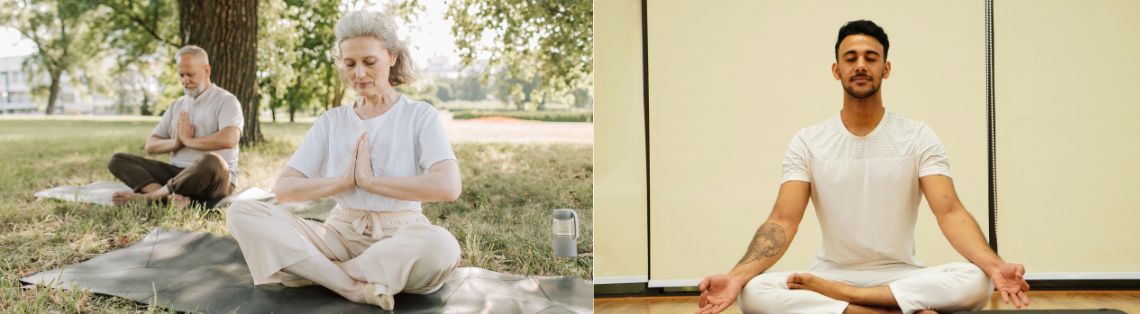
Yoga is a Sanskrit term meaning “yoke” or “union.” This union refers to the connection between the mind and body, or the conscious and the divine. The goal of yoga, then, is to foster this union and bring about a state of oneness. To do this, yoga asana practice must be complemented with meditation, breathwork, and other spiritual practices.
The true meaning of yoga is a union of the mind, body, and spirit. Yoga asanas, or postures, help to strengthen the body and mind so that we can achieve this union. When we achieve union, we are said to be in a state of enlightenment or Nirvana. In this state, we are free from all mental and emotional blocks and can experience true inner peace.
The goal of yoga is to find union with the divine. Yoga is a physical, mental, and spiritual practice that helps to bring us closer to the divine. The asanas (postures) are used to help us find balance and harmony in our lives. The ultimate goal of yoga is to merge with the divine and experience eternal bliss.
The Primary Aim of Yoga: Union and Self-Realization
Achieve Oneness with the universe. Union of Self and God. Yoga leads the practitioner on a path towards the union of Atman (self) and Brahman (ultimate reality). It is a state of complete integration, where individual consciousness merges with the universal consciousness. It is when the seer (drastuh), the process of seeing (darsanam), and the seen (dristuh) become one. This union marks the end of all mental modifications and experiences of duality such as identification with the ego and the physical form.
In Patañjali’s Yoga Sutras, the classical yoga text, the stated goal is “Yoga chitta vritti nirodha” (Yoga is the cessation of the changing states of the mind). In simpler terms, it means that the purpose of yoga is to bring about a state of mind where it is at peace, clear and calm, and the practitioner is able to experience their true nature, which is unchanging and unbounded. The idea of union extends to all facets of human experience. Through systematic practices, yoga aims to transcend physical constraints, emotional turbulence, mental conditioning, and spiritual disconnect to lead the practitioner to a state of full integration.
The Eight Limbs of Yoga: A Comprehensive Framework
Patanjali outlined eight limbs (Ashtanga) of yoga, each serving specific aims within the broader objective of self-realization:
Ethical and Moral Foundation
Yamas (Ethical Restraints):
- Ahimsa (Non-violence): Cultivating compassion and avoiding harm to all beings
- Satya (Truthfulness): Living authentically and speaking honestly
- Asteya (Non-stealing): Respecting others’ possessions and time
- Brahmacharya (Energy conservation): Managing vital energy wisely
- Aparigraha (Non-possessiveness): Releasing attachment to material accumulation
Niyamas (Observances):
- Saucha (Cleanliness): Maintaining physical and mental purity
- Santosha (Contentment): Finding satisfaction regardless of circumstances
- Tapas (Disciplined practice): Cultivating inner fire and commitment
- Svadhyaya (Self-study): Pursuing knowledge and self-reflection
- Ishvara pranidhana (Surrender to the divine): Releasing ego-driven desires
Physical and Mental Preparation
- Asana (Physical Postures): The aim here extends beyond physical fitness to creating a stable, comfortable foundation for meditation and higher practices. Asanas purify the body, strengthen the nervous system, and develop the discipline necessary for spiritual advancement.
- Pranayama (Breath Control): This practice aims to regulate and expand life force energy (prana), creating mental clarity and preparing consciousness for deeper states of awareness.
Inner Journey
- Pratyahara (Withdrawal of Senses): The aim is to turn attention inward, reducing dependence on external stimuli and developing inner focus.
- Dharana (Concentration): Focused attention on a single object or concept, training the mind for sustained meditation.
- Dhyana (Meditation): Effortless, sustained awareness leading to profound inner stillness and insight.
- Samadhi (Union/Absorption): The ultimate aim – complete absorption in pure consciousness, transcending individual identity.
Physical and Mental Health Aims of Yoga
Modern research validates many traditional claims about yoga’s health benefits, revealing how ancient wisdom aligns with contemporary understanding of wellness.
Physical Health Objectives
Yoga aims to create optimal physical health through systematic practice addressing multiple body systems. The physical postures work to:
Structural Alignment and Strength:
- Improve spinal health and posture
- Develop balanced muscle strength and flexibility
- Enhance joint mobility and stability
- Promote better circulation and lymphatic drainage
Nervous System Regulation:
- Activate the parasympathetic nervous system for relaxation
- Improve stress resilience and recovery
- Enhance sleep quality and energy levels
- Support healthy hormonal balance
Respiratory Enhancement:
- Increase lung capacity and efficiency
- Improve oxygen delivery throughout the body
- Develop conscious breathing patterns
- Strengthen respiratory muscles
Mental and Emotional Well-being
The mental health aims of yoga address contemporary challenges while drawing from timeless wisdom:
Stress Management and Emotional Regulation:
- Reduce cortisol levels and stress-related inflammation
- Develop healthy coping mechanisms for life challenges
- Cultivate emotional awareness and stability
- Improve mood and reduce anxiety and depression symptoms
Cognitive Enhancement:
- Sharpen focus and concentration abilities
- Improve memory and mental clarity
- Develop better decision-making skills
- Enhance creativity and problem-solving capacity
Self-Awareness and Personal Growth:
- Increase bodily awareness and mindfulness
- Develop greater self-understanding and acceptance
- Cultivate patience, resilience, and inner strength
- Foster positive relationships and communication skills
Spiritual Development Through Yoga Practice
Beyond physical and mental benefits, yoga’s spiritual aims address humanity’s deepest questions about purpose, meaning, and connection.
Transcending Ego Identification
Yoga aims to help practitioners recognize and transcend limiting self-concepts based on roles, achievements, or external circumstances. This process involves:
- Witnessing Consciousness: Developing the ability to observe thoughts, emotions, and sensations without complete identification, creating space between the observer and the observed.
- Non-Dual Awareness: Gradually recognizing the interconnectedness of all existence and the illusory nature of separation between self and others.
- Inner Peace and Contentment: Discovering that true happiness and fulfillment arise from within rather than external circumstances or achievements.
Connection with Universal Principles
Yoga philosophy teaches that individual consciousness is part of a greater universal intelligence. The practice aims to:
- Develop intuitive wisdom beyond rational thinking
- Cultivate trust in life’s natural unfolding
- Experience direct connection with divine or cosmic consciousness
- Integrate spiritual insights into daily living
Different Paths of Yoga and Their Specific Aims
Traditional yoga recognizes various paths (margas) suited to different temperaments and life circumstances, each with specific objectives while leading to the same ultimate goal.
The Four Classical Paths
- Karma Yoga (Path of Action): Aims to purify the heart through selfless service and dedicated action without attachment to results. This path transforms ordinary activities into spiritual practice.
- Bhakti Yoga (Path of Devotion): Focuses on cultivating love, surrender, and devotion toward the divine, aiming to dissolve ego through emotional purification and heart-centered practice.
- Raja Yoga (Path of Mental Control): Emphasizes meditation and mental discipline, aiming for direct control over consciousness through systematic practice of the eight limbs.
- Jnana Yoga (Path of Knowledge): Seeks liberation through wisdom and self-inquiry, aiming to discriminate between the real and unreal, permanent and temporary.
Modern Yoga Styles and Their Objectives
Contemporary yoga styles adapt traditional aims for modern practitioners:
- Hatha Yoga: Emphasizes physical purification and energy balance
- Vinyasa Flow: Aims to connect breath with movement for meditative awareness
- Iyengar Yoga: Focuses on precise alignment for therapeutic benefits
- Kundalini Yoga: Aims to awaken dormant spiritual energy through specific practices
- Restorative Yoga: Emphasizes deep relaxation and nervous system healing
Experienced practitioners often find that immersive environments, such as those offered by specialized yoga retreat centers like Kaivalya Trips, provide optimal conditions for exploring these various paths and deepening their understanding of yoga’s multifaceted aims.
Modern Relevance: Yoga’s Aims in Contemporary Life
In today’s fast-paced, technology-driven world, yoga’s aims remain remarkably relevant, addressing modern challenges with ancient wisdom.
Addressing Contemporary Challenges
- Digital Overwhelm and Disconnection: Yoga aims to counteract constant digital stimulation by cultivating inner stillness and present-moment awareness. Regular practice helps practitioners develop healthy boundaries with technology and reconnect with natural rhythms.
- Chronic Stress and Burnout: The practice provides practical tools for stress management while addressing root causes of anxiety and overwhelm. Yoga’s holistic approach recognizes that lasting relief requires addressing physical, mental, and spiritual dimensions of stress.
- Lack of Purpose and Meaning: Through self-inquiry and spiritual exploration, yoga helps practitioners discover authentic purpose beyond external achievements or social expectations.
Integration in Daily Life
The ultimate aim isn’t to escape worldly responsibilities but to transform one’s relationship with them:
Mindful Living:
- Bringing conscious awareness to routine activities
- Making decisions aligned with deeper values
- Cultivating gratitude and appreciation for simple experiences
- Developing patience and compassion in challenging situations
Authentic Relationships:
- Communicating with honesty and kindness
- Listening deeply without judgment
- Offering support without expectation
- Recognizing the divine essence in others
Purposeful Work:
- Approaching professional responsibilities as opportunities for growth
- Maintaining ethical standards regardless of external pressures
- Using skills and talents in service of others
- Finding fulfillment through contribution rather than accumulation
How Yoga Transforms Daily Experience
The transformative aims of yoga become evident through subtle yet profound changes in how practitioners experience and respond to life.
Perceptual Shifts
Regular yoga practice aims to shift perception from limitation to possibility, from fear to love, and from separation to connection. These shifts occur gradually through:
- Enhanced Awareness: Practitioners develop greater sensitivity to internal states, environmental cues, and subtle energies, leading to more conscious choices and responses.
- Expanded Perspective: Challenges become opportunities for growth rather than obstacles to happiness. This shift allows for greater resilience and creative problem-solving.
- Deepened Compassion: Understanding one’s own struggles and limitations naturally extends to greater empathy and understanding for others’ experiences.
Practical Benefits in Relationships and Work
The aims of yoga extend far beyond personal transformation, positively impacting all areas of life:
In Relationships:
- Improved emotional regulation reduces reactive patterns
- Enhanced empathy strengthens connections with others
- Clear communication skills prevent misunderstandings
- Unconditional love replaces conditional acceptance
In Professional Life:
- Increased focus and creativity enhance productivity
- Stress management prevents burnout and health issues
- Ethical decision-making builds trust and integrity
- Leadership skills develop through self-mastery
Many practitioners find that intensive retreat experiences, such as those facilitated by organizations like Kaivalya Trips, accelerate these transformative processes by providing dedicated time and supportive environments for deep practice and reflection.
The Journey vs. The Destination: Process-Oriented Goals
Understanding yoga’s aims requires recognizing that the journey itself is as important as any ultimate destination. This process-oriented approach offers several advantages:
Sustainable Progress
Rather than pursuing dramatic breakthroughs or mystical experiences, yoga emphasizes consistent, gradual development. This approach:
- Prevents spiritual materialism and ego inflation
- Builds lasting transformation rather than temporary highs
- Accommodates individual differences in learning and growth
- Maintains motivation through inevitable plateaus and challenges
Integration and Embodiment
True yoga aims for complete integration of insights and experiences into daily life rather than peak experiences separate from ordinary consciousness. This embodiment involves:
- Practicing compassion in difficult relationships
- Maintaining equanimity during success and failure
- Applying yogic principles in decision-making
- Expressing wisdom through actions rather than words
Continuous Learning and Growth
The aims of yoga acknowledge that spiritual development is an ongoing process without a final endpoint in this lifetime. This perspective:
- Encourages humility and beginner’s mind
- Promotes continuous learning and adaptation
- Prevents spiritual pride or superiority
- Maintains openness to new insights and experiences
Organizations dedicated to authentic yoga education, such as Kaivalya Trips, understand the importance of supporting practitioners throughout this lifelong journey, offering guidance and community for sustained growth and development.
Creating Your Personal Practice: Aligning with Yoga’s Aims
Developing a personal yoga practice that aligns with traditional aims while meeting individual needs requires thoughtful consideration and gradual development.
Establishing Clear Intentions
Begin by reflecting on what draws you to yoga and what you hope to achieve:
Short-term Objectives:
- Physical health improvements
- Stress reduction and relaxation
- Better sleep and energy levels
- Enhanced flexibility and strength
Medium-term Goals:
- Emotional stability and resilience
- Improved relationships and communication
- Greater self-awareness and confidence
- Spiritual exploration and growth
Long-term Aspirations:
- Self-realization and authentic living
- Service to others and community contribution
- Wisdom and compassion development
- Inner peace and contentment
Also read:- How to Cure Fatty Liver in Ayurveda
Developing a Balanced Approach
Effective yoga practice incorporates multiple elements to address the complete aims of the tradition:
Physical Practice (Asana and Pranayama):
- Regular movement and breath work to maintain health and energy
- Gentle progression respecting individual limitations
- Variety in practices to prevent boredom and overuse
- Integration of relaxation and restoration
Mental Training (Meditation and Mindfulness):
- Daily meditation practice, even if brief
- Mindful awareness throughout daily activities
- Study of yoga philosophy and wisdom texts
- Regular self-reflection and journal writing
Ethical Living (Yamas and Niyamas):
- Conscious choices aligned with yogic values
- Service to others and environmental responsibility
- Honest self-examination and continuous improvement
- Cultivation of positive qualities and habits
Finding Support and Community
The aims of yoga are best pursued with appropriate guidance and community support. Consider:
- Working with qualified teachers who understand traditional aims
- Participating in workshops and retreats for deeper immersion
- Connecting with like-minded practitioners for mutual support
- Studying authentic texts and teachings with experienced guides
Also Read: – Which is better gym or yoga
Conclusion: Embracing Yoga’s Transformative Journey
The purpose of these aims of yoga is to provide a comprehensive and practical framework for the well-being and growth of every individual and humanity as a whole. By incorporating these aims into your yoga practice, you can work towards creating a more fulfilling and meaningful life for yourself and others.
The path of yoga is one that is not about reaching a final destination or achieving perfection. Rather, it is an ongoing process of growth, learning, and service. Each time you practice yoga, each moment you cultivate mindfulness and compassion, and each act of service you perform, you are contributing to the fulfillment of these aims. Whether you are practicing a simple breathing exercise or delving into the depths of yoga philosophy, all sincere efforts are in line with the purpose of yoga.
As you continue on your yoga journey, remember that these aims are not distant goals to be reached in the future but are present possibilities that are accessible to you in every moment. The union that yoga seeks is not something to be achieved someday but is the recognition of what is already here within and all around us. Through patient practice, open inquiry, and compassionate action, these ancient aims can become living realities that transform not only your own life but contribute to the healing and awakening of the world.

Kaivalya Trips is the best retreat provider in India, offering soulful and transformative wellness experiences rooted in Ayurveda, yoga, and holistic healing. Founded in 2024, the brand was born from the heartfelt vision of S kumar Swamy, whose dream is to help people lead healthier, more balanced lives through the ancient wisdom of Ayurveda and holistic wellness.