
Which of These is a Part of Panchakarma Treatment?
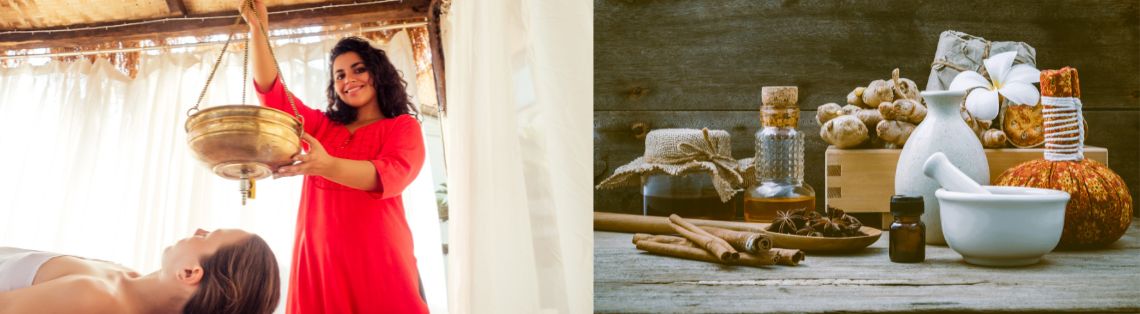
Ayurveda, the science of life, has many ways to keep a person healthy and treat their disease. One of the most effective and complete methods to detoxify the human body is Panchakarma. This is the most popular treatment in Ayurveda and also one of the best-known detoxification systems in the world. So what treatments are included in Panchakarma? This is the main question of those who really want to heal and find the right answer to it is the key to a memorable experience.
The name Panchakarma comes from Sanskrit and means “five actions.” As you might have guessed, there are five such treatments, each of which is important for cleaning the body of accumulated toxins (ama) and toxins and restoring the natural state. They are designed to cleanse the body at the cellular level to the greatest possible extent, which makes Panchakarma one of the most popular healing experiences.
The Five Pillars of Panchakarma Treatment
1. Virechana Treatment (Purgation Therapy)
Virechana represents one of the most important components of Panchakarma treatment. This controlled therapeutic purgation therapy specifically targets the elimination of excess Pitta dosha and associated toxins from the body. During Virechana treatment, patients undergo carefully monitored therapeutic purging for a predetermined duration, typically ranging from one to three days depending on individual constitution and health conditions.
The process involves:
- Preparatory procedures (Purva Karma) including oleation and sweating therapies
- Administration of specific herbal formulations that induce controlled purgation
- Careful monitoring of the patient’s response and vital parameters
- Post-treatment care and dietary modifications
Virechana proves particularly effective for conditions related to liver disorders, skin diseases, hyperacidity, inflammatory conditions, and metabolic imbalances. The therapy works by eliminating accumulated toxins through the intestinal tract, thereby purifying the blood and restoring digestive fire (Agni).
2. Vamana (Therapeutic Vomiting)
This procedure focuses on eliminating excess Kapha dosha from the upper respiratory tract and stomach. Vamana involves controlled therapeutic vomiting induced through specific herbal preparations. This treatment proves especially beneficial for respiratory conditions, allergies, and certain skin disorders.
3. Basti (Medicated Enemas)
Considered the most important among Panchakarma treatments, Basti involves the administration of medicated oils or herbal decoctions through the rectum. This procedure primarily addresses Vata dosha imbalances and proves effective for neurological conditions, joint disorders, and digestive issues.
4. Nasya (Nasal Administration)
This treatment involves the administration of medicated oils or herbal preparations through the nasal passages. Nasya particularly benefits conditions related to the head, neck, and upper respiratory tract, including sinusitis, headaches, and certain neurological conditions.
5. Raktamokshana (Bloodletting)
The fifth component involves controlled bloodletting procedures to eliminate toxins from the blood. Modern practice often substitutes this with alternative detoxification methods while maintaining the therapeutic principles.
Pre-Treatment Preparations: The Foundation of Success
Before undergoing any Panchakarma procedure, including Virechana treatment, proper preparation becomes essential for optimal results. This preparatory phase, known as Purva Karma, typically spans 7-14 days and includes:
Dietary Modifications
- Gradual transition to easily digestible foods
- Elimination of processed and heavy foods
- Incorporation of ghee (clarified butter) in increasing quantities
- Specific dietary guidelines based on individual constitution
Oleation Therapy (Snehana)
- Internal oleation through medicated ghee consumption
- External oleation through therapeutic oil massages
- Preparation of tissues for the main treatment
- Enhancement of toxin mobilization
Sweating Therapy (Swedana)
- Steam treatments using herbal preparations
- Facilitation of toxin elimination through skin
- Preparation of channels for detoxification
- Improvement of circulation and tissue flexibility
Benefits and Therapeutic Effects of Panchakarma
The comprehensive nature of Panchakarma treatment, including procedures like Virechana, offers numerous health benefits:
Physical Benefits
- Deep cellular detoxification and rejuvenation
- Improved digestive capacity and metabolism
- Enhanced immunity and disease resistance
- Better sleep quality and energy levels
- Reduction in chronic pain and inflammation
- Improved skin texture and complexion
Mental and Emotional Benefits
- Stress reduction and mental clarity
- Improved concentration and memory
- Emotional balance and stability
- Enhanced creativity and cognitive function
- Better stress management capabilities
- Increased overall life satisfaction
Long-term Health Advantages
- Prevention of chronic diseases
- Delayed aging process
- Improved longevity and vitality
- Enhanced quality of life
- Better adaptation to environmental stressors
- Sustainable lifestyle modifications
Conditions Addressed Through Panchakarma
Panchakarma treatment, particularly Virechana therapy, proves effective for various health conditions:
Digestive Disorders
- Irritable bowel syndrome
- Chronic constipation
- Hyperacidity and gastritis
- Liver dysfunction
- Metabolic disorders
Skin Conditions
- Psoriasis and eczema
- Chronic acne and dermatitis
- Allergic reactions
- Premature aging signs
- Pigmentation disorders
Musculoskeletal Issues
- Arthritis and joint pain
- Muscular tension and stiffness
- Chronic back pain
- Sports injuries
- Repetitive strain injuries
Neurological Conditions
- Stress-related disorders
- Anxiety and depression
- Sleep disturbances
- Chronic fatigue syndrome
- Headaches and migraines
The Science Behind Virechana Treatment
Virechana treatment operates on sophisticated physiological principles that modern science increasingly recognizes. The controlled purgation process:
- Stimulates liver detoxification pathways
- Enhances bile production and flow
- Improves intestinal motility
- Eliminates fat-soluble toxins
- Resets digestive enzyme production
- Balances gut microbiome
Research studies have demonstrated that Virechana treatment can significantly reduce inflammatory markers, improve liver function tests, and enhance overall metabolic parameters. The therapy’s effectiveness stems from its ability to address root causes rather than merely suppressing symptoms.
Post-Treatment Care and Integration
The success of Panchakarma treatment extends beyond the actual procedures. Post-treatment care, known as Paschat Karma, plays a crucial role in maintaining benefits:
Dietary Reconstruction
- Gradual reintroduction of normal foods
- Emphasis on fresh, easily digestible meals
- Avoidance of processed and heavy foods
- Incorporation of beneficial spices and herbs
Lifestyle Modifications
- Regular exercise and yoga practice
- Adequate rest and sleep
- Stress management techniques
- Seasonal lifestyle adjustments
Follow-up Support
- Regular consultations with qualified practitioners
- Monitoring of progress and adjustments
- Continued education about Ayurvedic principles
- Integration of preventive measures
How Kaivalya Trips Facilitates Your Panchakarma Journey
Initiating a Panchakarma treatment program requires skilled guidance and authentic traditional knowledge. Kaivalya Trips is dedicated to connecting you with genuine Ayurvedic centers and experienced practitioners who have a deep understanding of treatments like Virechana therapy.
Our platform provides assistance with pre-travel consultations, selection of the right treatment center, and coordination with qualified Ayurvedic doctors. This ensures that you receive authentic treatments in environments that are conducive to healing and that amplify the therapeutic benefits.
Kaivalya Trips enables you to access traditional wisdom in a setting that also offers modern comfort, creating an ideal environment for transformation and healing. We are committed to curating a selection of treatment centers that adhere to classical protocols, ensuring the highest safety and quality standards.
Choosing the Right Treatment Center
Selecting an appropriate facility for Panchakarma treatment requires careful consideration of several factors:
Practitioner Qualifications
- Authentic Ayurvedic education and training
- Experience in administering Panchakarma procedures
- Understanding of individual constitutional variations
- Ability to modify treatments based on specific needs
Facility Standards
- Clean and hygienic treatment environments
- Availability of quality herbal medicines
- Proper equipment for various procedures
- Emergency medical support when needed
Treatment Approach
- Personalized assessment and treatment planning
- Integration of traditional and modern safety protocols
- Comprehensive pre and post-treatment care
- Educational components about Ayurvedic principles
The Future of Panchakarma in Modern Healthcare
The growing realization of the limitations of symptomatic treatments in modern healthcare systems provides a conducive environment for Panchakarma’s holistic approach to health and healing. Integrating these ancient procedures with modern diagnostic tools and safety protocols can potentially pave the way for Panchakarma’s wider acceptance and integration into mainstream medical practices.
The ongoing research exploring the therapeutic mechanisms of Panchakarma treatments, including Virechana therapy, is gradually providing scientific validation for these ancient practices. This scientific understanding, coupled with an increasing consumer awareness of the limitations of symptom-focused therapies and an interest in holistic approaches to well-being, is setting the stage for a renaissance of Panchakarma as an essential part of integrative medicine in the future.
The personalized treatment approach of Panchakarma is particularly well-suited to the emerging field of precision medicine, which seeks to customize healthcare, with medical decisions, practices, and products being tailored to the individual patient. In this regard, Panchakarma is particularly well-poised to be integrated into this precision medicine model, as its principles and practices can be uniquely suited to individual genetic, environmental, and lifestyle factors.
Also Read: – Are yoga retreats worth it
Making an Informed Decision
Before undertaking Panchakarma treatment, potential participants should thoroughly research their options and consult with qualified practitioners. Understanding the commitment required, both in terms of time and lifestyle modifications, helps ensure successful outcomes.
The decision to undergo procedures like Virechana treatment should be based on proper assessment of individual health status, clear understanding of expected outcomes, and commitment to follow recommended protocols. Professional guidance, such as that provided through platforms like Kaivalya Trips, proves invaluable in making these important decisions.

Kaivalya Trips is the best retreat provider in India, offering soulful and transformative wellness experiences rooted in Ayurveda, yoga, and holistic healing. Founded in 2024, the brand was born from the heartfelt vision of S kumar Swamy, whose dream is to help people lead healthier, more balanced lives through the ancient wisdom of Ayurveda and holistic wellness.