
Why Is Kundalini Yoga Dangerous
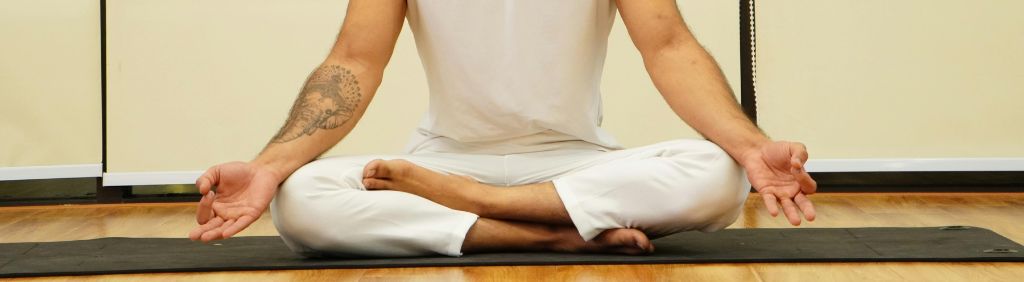
Kundalini yoga has seen a surge in popularity over the years, with many people being drawn to the promises of awakening and transformation it offers. However, this ancient practice of yoga is not without its dangers and should be approached with caution. With its reputation as a dangerous practice, the interest and potential for abuse are high. It is crucial to have proper guidance and respect for the power of Kundalini yoga to ensure a safe and positive experience. In this article, we will explore the reasons why Kundalini yoga is considered dangerous and shed light on the aspects of this ancient spiritual discipline.
What Makes Kundalini Yoga Different?
Kundalini yoga is different from other types of yoga. In Kundalini, your entire focus is on awakening the kundalini, a spiritual energy coiled at the base of your spine. It’s not gentle like Hatha yoga or Vinyasa yoga. Instead, Kundalini is more intense, with fast-paced breathing, energetic movements, chanting, and meditation.
In Kundalini, this spiritual energy travels up through the seven chakras or energy points along the spine to the crown of the head, and enlightenment occurs. But all that power can cause intense physical, emotional, and mental reactions that you may not be ready to deal with.
The Physical Risks of Kundalini Yoga
Intense Breathing Techniques Can Overwhelm the Nervous System
Kundalini yoga employs powerful breathing methods known as pranayama, including Breath of Fire and alternate nostril breathing. These techniques can significantly alter oxygen and carbon dioxide levels in the blood, potentially causing:
- Dizziness and lightheadedness
- Hyperventilation and panic attacks
- Tingling sensations or numbness in extremities
- Temporary loss of consciousness in extreme cases
- Disruption of normal breathing patterns
For individuals with respiratory conditions, heart problems, or high blood pressure, these breathing exercises can pose serious health risks without proper medical clearance and expert supervision.
Physical Strain and Injury Potential
The dynamic movements and sustained postures in Kundalini yoga can lead to physical injuries, especially when:
- Practitioners push beyond their physical limitations
- Proper alignment and technique are not maintained
- Adequate warm-up or cool-down periods are skipped
- Pre-existing conditions are not disclosed to instructors
Common injuries include muscle strains, joint stress, spinal misalignment, and exacerbation of chronic pain conditions.
Psychological and Emotional Dangers
Kundalini Awakening Syndrome
Perhaps the most concerning aspect of Kundalini yoga is the phenomenon known as Kundalini Awakening Syndrome or Kundalini crisis. This occurs when the energy awakening happens too rapidly or without proper preparation, leading to overwhelming experiences that can include:
- Intense emotional releases and mood swings
- Anxiety, depression, or feelings of existential dread
- Insomnia and disturbed sleep patterns
- Sensory distortions or hallucinations
- Difficulty distinguishing between reality and spiritual experiences
- Feelings of depersonalization or detachment from one’s identity
These symptoms can persist for weeks, months, or even years, significantly impacting daily functioning and mental health.
Triggering Past Trauma
Kundalini practices are designed to release blocked energy, which often means confronting suppressed emotions and unresolved trauma. Without proper therapeutic support, this can lead to:
- Sudden flashbacks or traumatic memories surfacing
- Emotional flooding that overwhelms coping mechanisms
- Retraumatization without adequate processing tools
- Difficulty integrating intense emotional experiences
Individuals with a history of trauma, PTSD, or mental health conditions face heightened vulnerability when practicing Kundalini yoga without appropriate guidance.
Spiritual and Energetic Concerns
Premature Spiritual Experiences
Kundalini yoga can catalyze spiritual experiences that practitioners may not be emotionally or psychologically ready to integrate. These experiences might include:
- Altered states of consciousness that feel disorienting
- Mystical visions or encounters that challenge existing belief systems
- Overwhelming feelings of cosmic connection or unity
- Difficulty returning to ordinary consciousness and daily responsibilities
Without a supportive framework and knowledgeable guidance, these experiences can lead to confusion, spiritual bypassing, or psychological distress rather than genuine growth.
Energy Imbalances and Blockages
When Kundalini energy encounters blockages in the chakra system, it can create uncomfortable or even painful sensations. These blockages might manifest as:
- Persistent headaches or pressure in the forehead
- Heart palpitations or chest tightness
- Digestive disturbances
- Chronic fatigue or unexplained energy fluctuations
- Heightened sensitivity to environmental stimuli
Who Should Approach Kundalini Yoga with Extra Caution?
Certain individuals face elevated risks when practicing Kundalini yoga and should seek specialized guidance or consider alternative practices:
- People with mental health conditions: Those with anxiety disorders, depression, bipolar disorder, schizophrenia, or psychotic disorders
- Trauma survivors: Individuals with PTSD or unresolved traumatic experiences
- Those with cardiovascular issues: Anyone with heart conditions, high blood pressure, or circulation problems
- Pregnant women: Especially during the first trimester or with high-risk pregnancies
- Substance abuse history: Individuals in early recovery may find the intense experiences triggering
- Epilepsy or seizure disorders: The rapid breathing and intense focus can potentially trigger episodes
Safe Practice Guidelines for Kundalini Yoga
Start with Qualified Instruction
The importance of learning from an experienced, certified Kundalini yoga teacher cannot be overstated. A qualified instructor will:
- Assess your physical and mental readiness
- Teach proper technique for breathing exercises and movements
- Recognize signs of distress or adverse reactions
- Provide modifications based on individual needs
- Create a safe, supportive environment for practice
- Offer guidance for integrating experiences
When seeking authentic Kundalini yoga experiences in nurturing environments, platforms like Kaivalya Trips can connect you with certified retreat centers and experienced teachers who prioritize safety and proper progression in practice.
Progress Gradually
Rushing into advanced Kundalini practices is one of the primary causes of adverse effects. A safe approach includes:
- Beginning with gentler yoga styles to build foundation
- Starting with shorter practice sessions and gradually increasing duration
- Mastering basic techniques before advancing to more intense practices
- Allowing adequate time for integration between intensive sessions
- Listening to your body and respecting its signals
Create a Support System
Having proper support structures in place before embarking on Kundalini yoga practice is crucial:
- Work with a therapist familiar with spiritual practices if you have mental health concerns
- Inform your healthcare provider about your practice, especially if you have medical conditions
- Connect with experienced practitioners who can share insights
- Maintain open communication with your instructor about your experiences
- Join supportive communities that understand the practice
Practice Self-Care and Grounding Techniques
Complementing Kundalini yoga with stabilizing practices helps maintain balance:
- Engage in regular physical exercise and movement
- Maintain consistent sleep schedules and healthy eating habits
- Spend time in nature and practice earthing techniques
- Use journaling to process experiences and emotions
- Incorporate gentle, restorative yoga practices
- Prioritize social connections and ordinary daily activities
How to Choose the Right Kundalini Yoga Program
Selecting an appropriate program or retreat is essential for safe practice. Consider these factors:
Teacher Credentials and Experience
Look for instructors who have:
- Completed comprehensive Kundalini yoga teacher training programs
- Years of personal practice and teaching experience
- Knowledge of anatomy, physiology, and psychology
- Trauma-informed teaching approaches
- Positive reviews and testimonials from students
Program Structure and Approach
Quality programs should offer:
- Clear information about what practices will be taught
- Gradual progression from beginner to advanced levels
- Individualized attention and modifications
- Integration time between intensive practices
- Access to support during and after the program
Kaivalya Trips specializes in connecting practitioners with carefully vetted wellness retreats and certified instructors who understand the nuances of safe Kundalini practice. Their curated approach ensures you find programs that match your experience level and support needs.
Setting and Environment
The physical and social environment significantly impacts your practice experience. Seek settings that provide:
- Peaceful, distraction-free spaces conducive to inner work
- Adequate privacy for processing personal experiences
- Community support without pressure or judgment
- Access to nature and grounding activities
- Professional support if emotional or physical challenges arise
The Benefits When Practiced Safely
Despite the potential dangers, Kundalini yoga offers profound benefits when approached with proper preparation, guidance, and respect:
- Enhanced self-awareness and emotional intelligence
- Stress reduction and improved nervous system regulation
- Greater spiritual connection and sense of purpose
- Increased energy and vitality
- Improved mental clarity and focus
- Release of limiting patterns and beliefs
- Deeper meditation experiences
The key lies in balancing ambition for transformation with wisdom about timing, preparation, and support.
Finding Your Path with Proper Guidance
If you’re interested in Kundalini yoga but are aware of the potential dangers, remember that most of the risk comes with doing it incorrectly. Choosing a teacher, environment, and pace that you’re comfortable with by taking your time is key.
If you’re looking for safe Kundalini yoga retreats and wellness programs with a safe and supportive environment, working with a platform that has a deep understanding of the difference is important. Kaivalya Trips curates a list of Kundalini yoga retreats and wellness centers that are focused on transformation with safety in mind and can help you design a customized wellness experience that works for you and your needs.
Conclusion
Kundalini yoga is real and can be dangerous. You can become obsessed with it, or practice it haphazardly without guidance. The spiritual energy that Kundalini yoga can bring can be powerful. The physical, emotional and spiritual reactions you may experience can also be extreme and unpredictable. However, knowing about these potential dangers will help you to take the practice more seriously and practice with the caution, preparation and support you need. Kundalini yoga is not for everyone and there are plenty of other more gentle, spiritual paths to explore.
It’s really up to you whether or not you want to explore Kundalini yoga. The most important thing to do is to respect your readiness and tread wisely. Change takes time, it’s not a race. So stay safe, stay aware, stay properly guided and stay in deep reverence of these ancient yogic practices.
FAQ
How long should I practice regular yoga before trying Kundalini?
Most experts recommend at least six months to a year of consistent yoga practice to build physical foundation and body awareness before attempting Kundalini techniques.
Is Kundalini yoga safe for beginners?
Beginners can practice Kundalini yoga safely with proper instruction, starting with gentler techniques and gradually building intensity under experienced guidance.
What should I do if I experience adverse effects during practice?
Stop the practice immediately, focus on grounding techniques, and consult your instructor and healthcare provider. Don't attempt to push through concerning symptoms.
Can medication interactions make Kundalini yoga more dangerous?
Certain medications, particularly those affecting the nervous system or blood pressure, may interact with intense breathing techniques. Always consult your doctor before beginning Kundalini practice.

Kaivalya Trips is the best retreat provider in India, offering soulful and transformative wellness experiences rooted in Ayurveda, yoga, and holistic healing. Founded in 2024, the brand was born from the heartfelt vision of S kumar Swamy, whose dream is to help people lead healthier, more balanced lives through the ancient wisdom of Ayurveda and holistic wellness.